Building a Seamless Carbon Trading
Investment Platform for
Institutional Investors & Project Developers
TIMELINE
Jul 2023 - Jul 2025
PLATFORM
Website, Tablet & Mobile
Shiva
MY ROLE
Senior Product Designer
Introduction
Vericap is a fintech platform transforming carbon trading by making institutional investments in carbon and renewable projects safer, more transparent, and more profitable.
With a $3 trillion funding gap in carbon reduction annually, Vericap, in collaboration with Capital Quantum, empowers institutional investors with the tools and confidence to invest in high-quality carbon projects.
Vericap’s offerings include risk assessment, escrow-backed capital protection, and a seamless trading experience for buying, selling, and retiring carbon credits. By simplifying complex investments with standardised contracts, milestone-based payments, and integrated market tools, Vericap ensures capital flows efficiently and delivers measurable impact.
In this project, we designed a streamlined investment experience, bringing clarity to an otherwise fragmented market. This was one of Vericap’s most ambitious initiatives, reshaping how institutional investors engage with carbon markets.
My Role
Problem
Institutional investors struggle to assess carbon projects due to an unorganized layout and lack of clear data presentation. Important details like Project Summary, Pricing, Risk Assessment, Escrow (Impact Monitoring), Project Documents and Annual Cash flow are difficult to find, making the decision-making process slow and frustrating. This results in high drop-off rates and lower investor engagement.
Additionally, the platform’s onboarding process was lengthy and confusing, often leading to user drop-offs before they could complete their account setup. Investors needed a more intuitive, step-by-step onboarding experience and clearer project evaluation tools to make confident investment decisions.
Here are the key problems with the core experience.
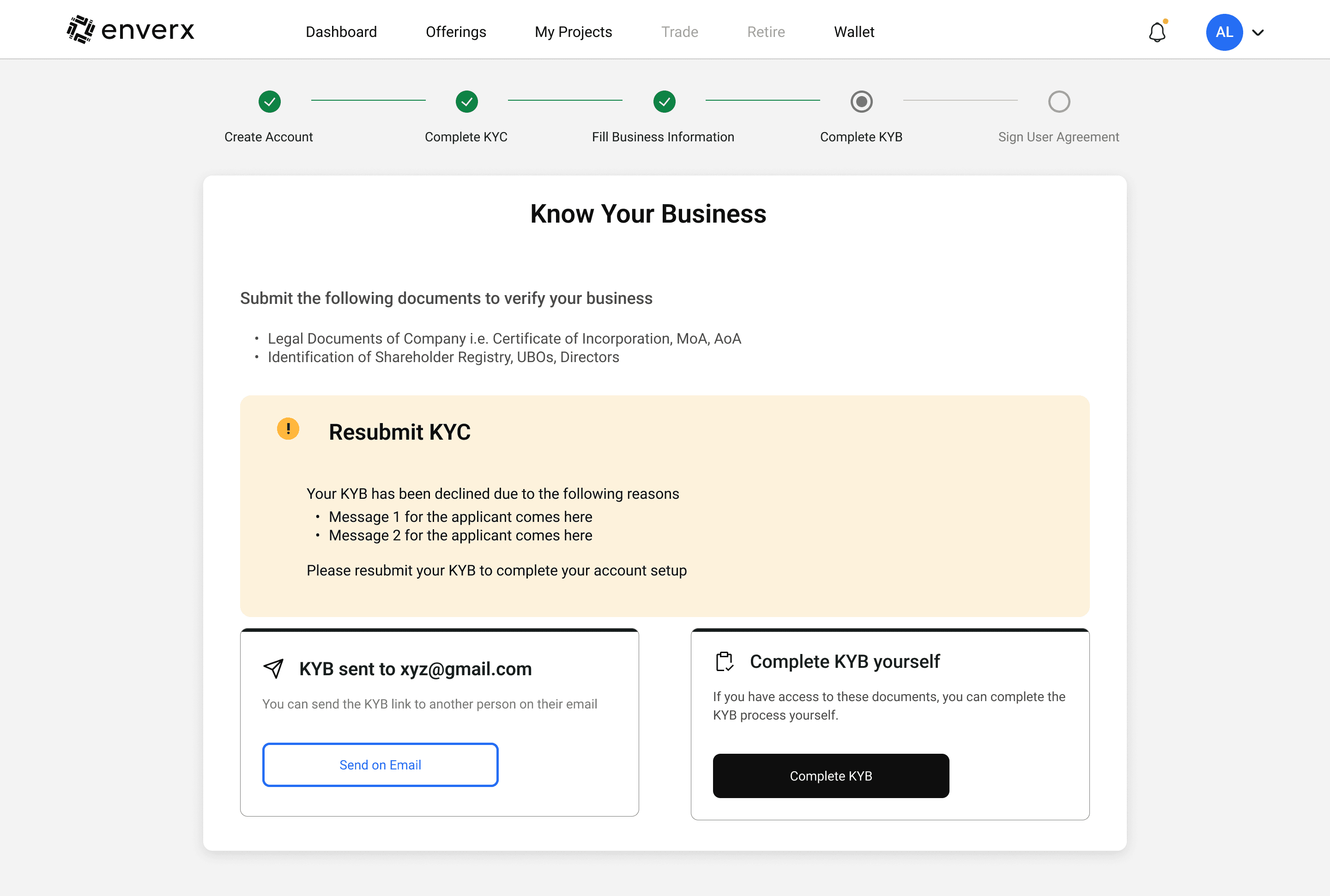
PROBLEM #1
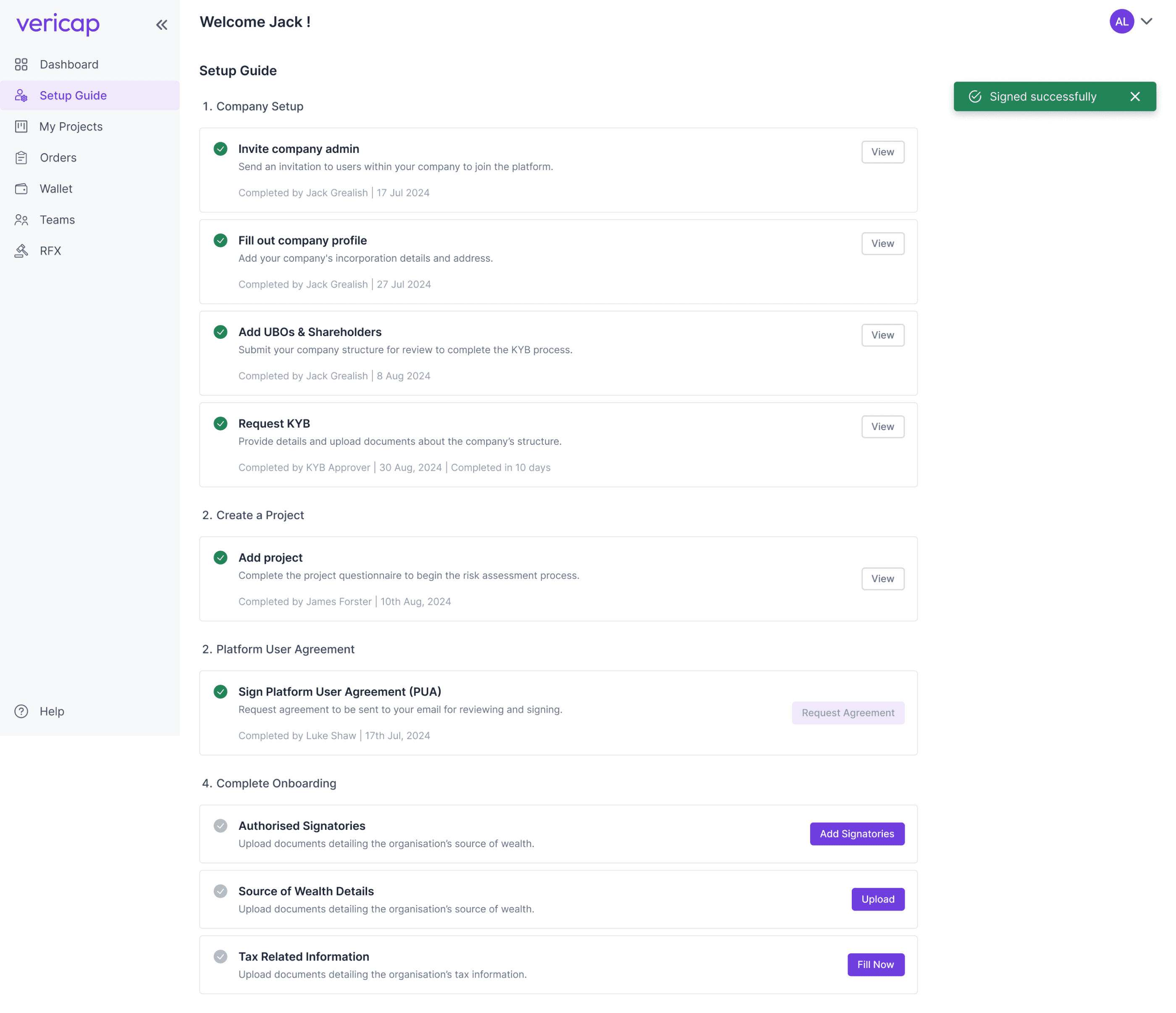
Complex & Lengthy Onboarding Process
The onboarding journey was cluttered and lacked clear steps, leading to high drop-off rates. Investors couldn’t track their verification progress and often abandoned the process.
EXAMPLE
The users had to navigate multiple disconnected steps (KYC, KYB, agreements, and project setup) without clear guidance.
IMPACT
Investors abandoned onboarding midway, leading to high drop-off rates before they could even start investing. So used to reach out our customer team with repeated questions.
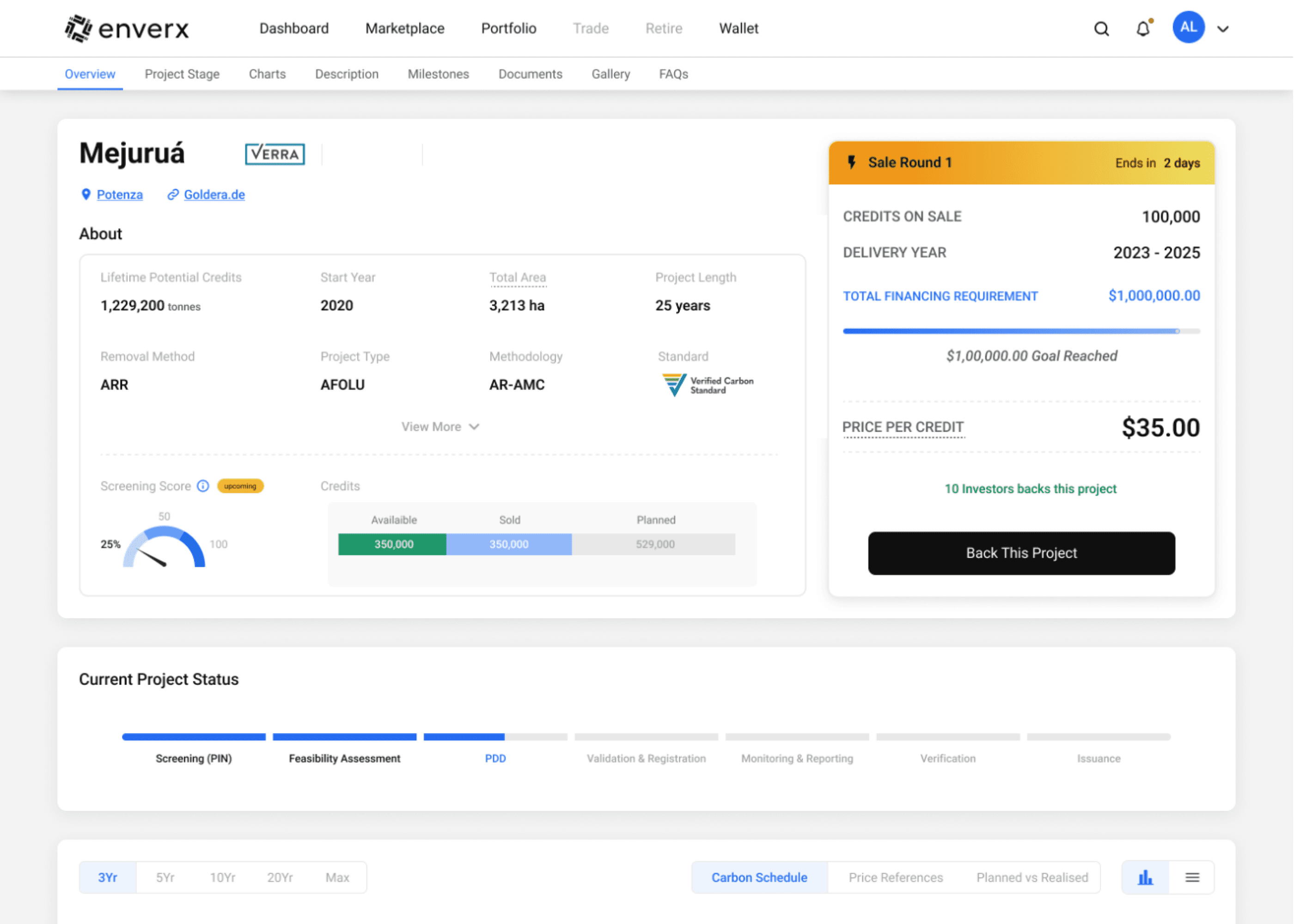
PROBLEM #2
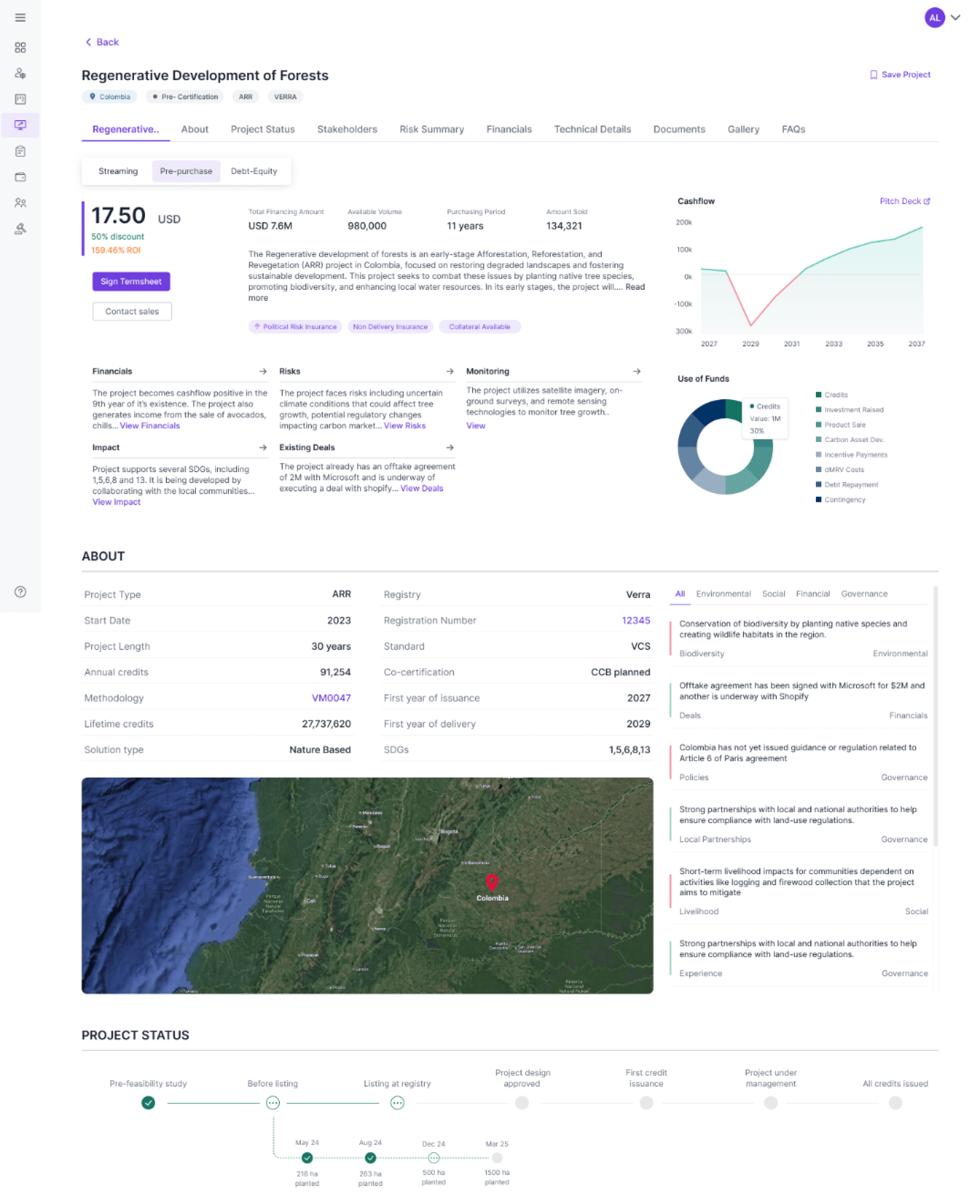
Difficulty in Full Project Details Discovery & Price Comparison
Investors struggled to find relevant projects due to cluttered information and lack of filters. They had to scroll through long descriptions without clear financial insights.
EXAMPLE
Project details pages presented long, unstructured descriptions without key information like pricing models (financing types), risk assessment, or available credit volume in a clear visual format. Investors had to scroll through text-heavy content instead of quickly filtering or comparing projects.
IMPACT
This reduced engagement on project pages and made investment decision-making slow and inefficient.
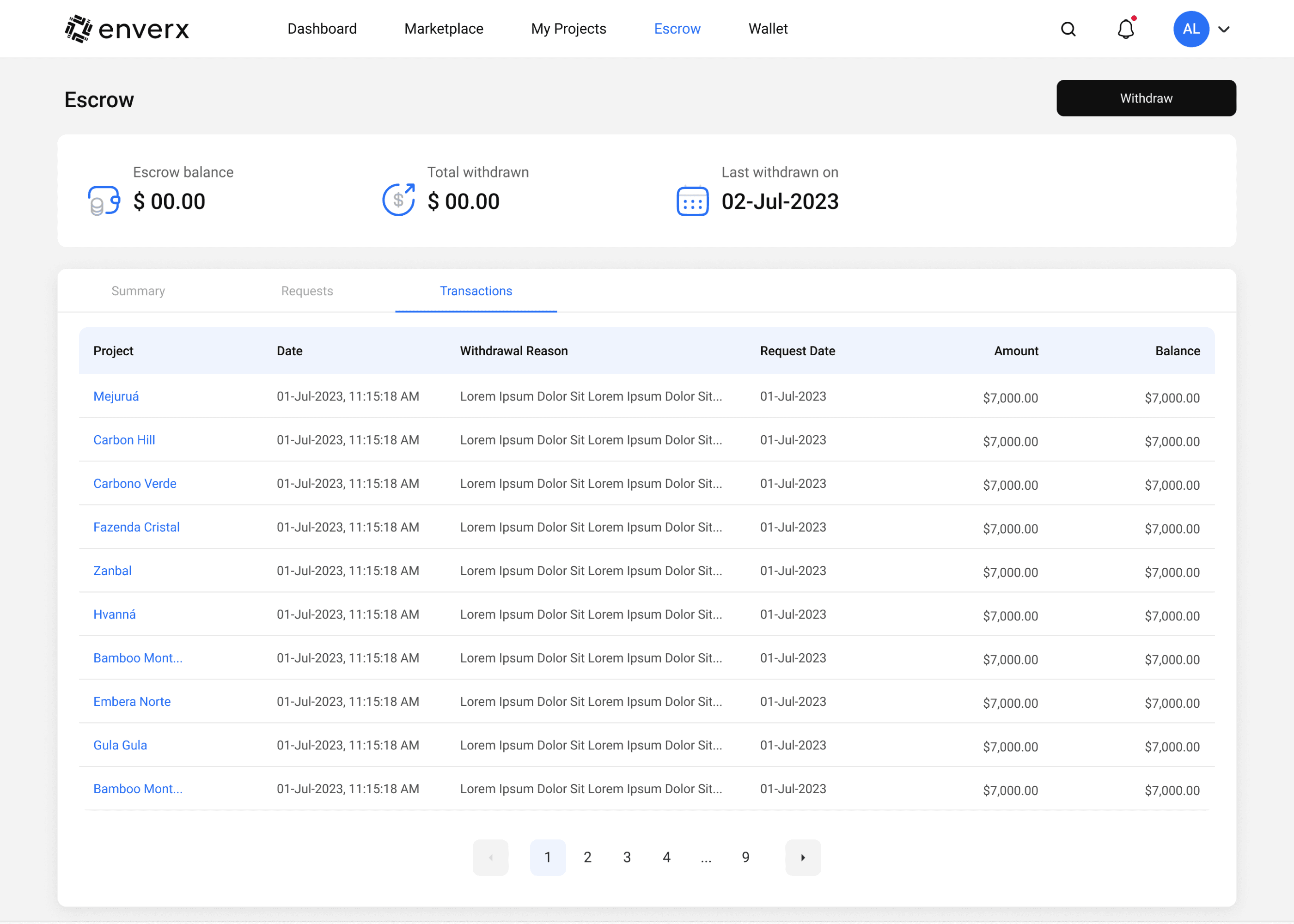
PROBLEM #3
Unclear Investment Process & Financial Transparency
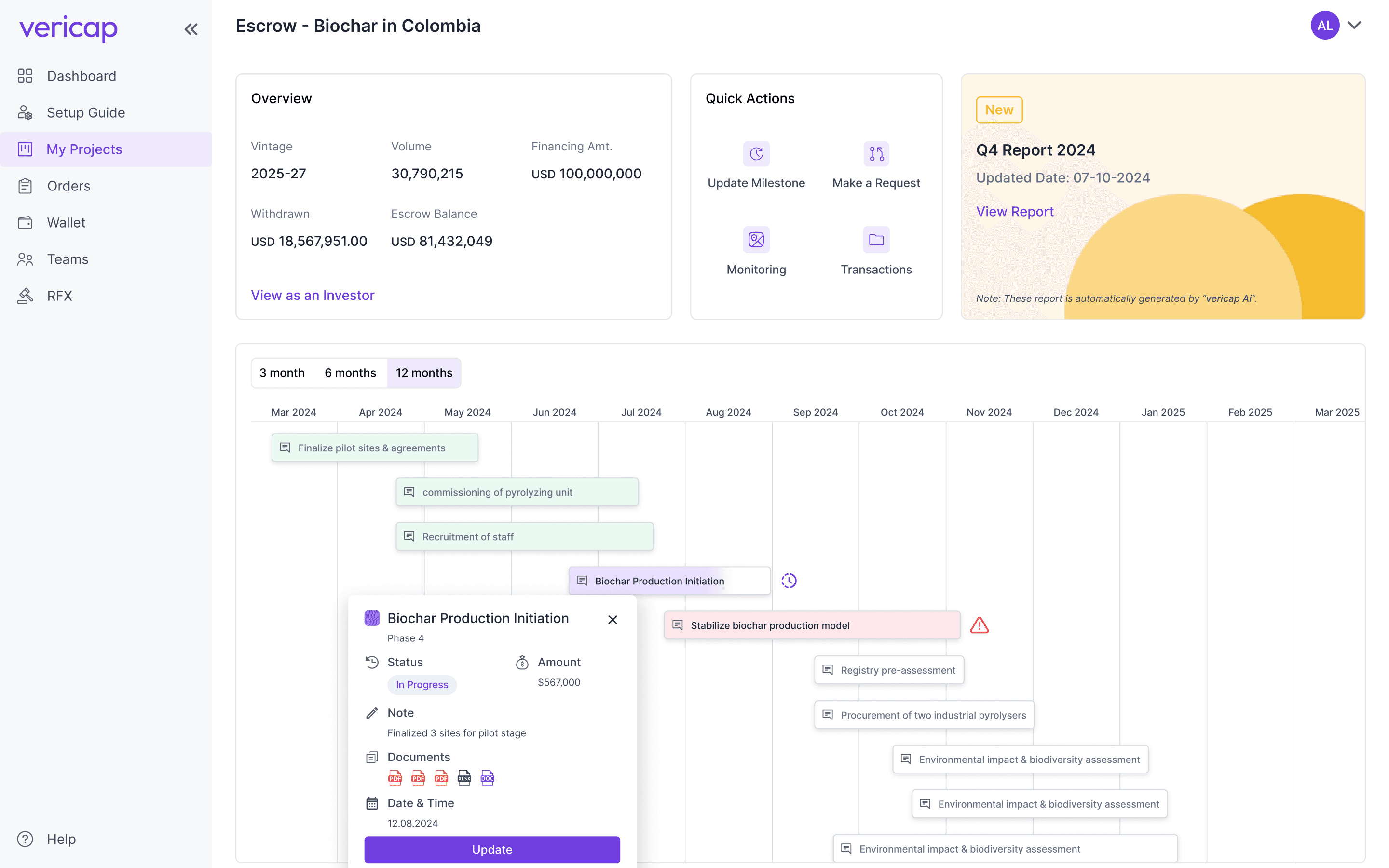
Investors lacked clarity on payment schedules, escrow security, and credit issuance timelines, making them hesitant to commit funds.
EXAMPLE
The investment process lacked clarity on payment breakdowns, escrow security, and credit issuance timelines. Investors couldn’t see a structured financial breakdown before committing capital, which led to hesitation in making investment decisions.
IMPACT
Institutional investors doubted the reliability of investment timelines, leading to a lower rate of completed transactions.
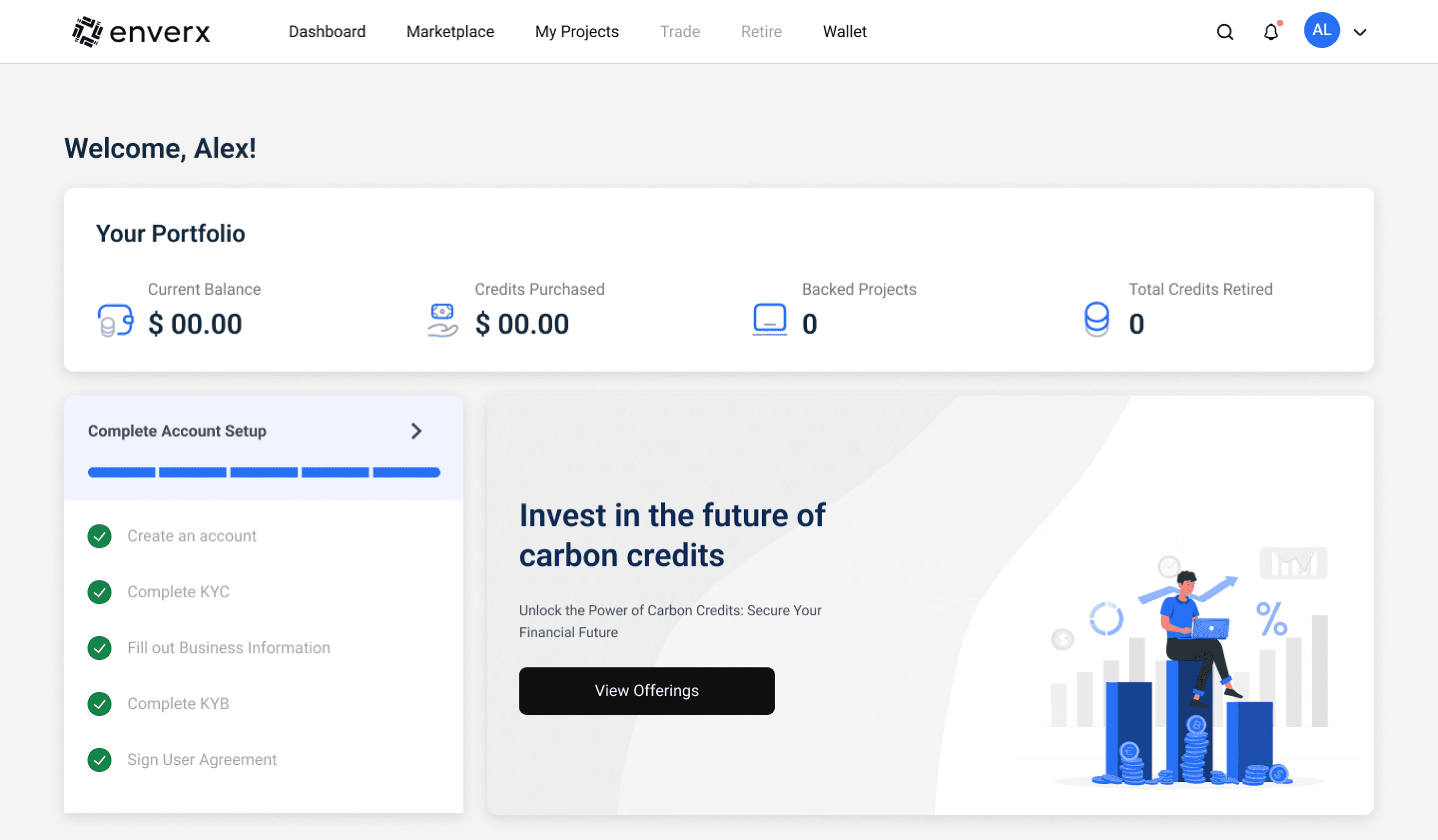
PROBLEM #4
No Fully Functional Portfolio in the First Iteration
In the first version of Vericap, investors had no dedicated portfolio dashboard to track their investments, ROI, or credit allocations.
EXAMPLE
Users had to check only dashboard to track their holdings across projects with no real-time updates or financial breakdowns.
IMPACT
This made portfolio management difficult, leading to investor frustration and lower engagement on the platform.
Defining the problem
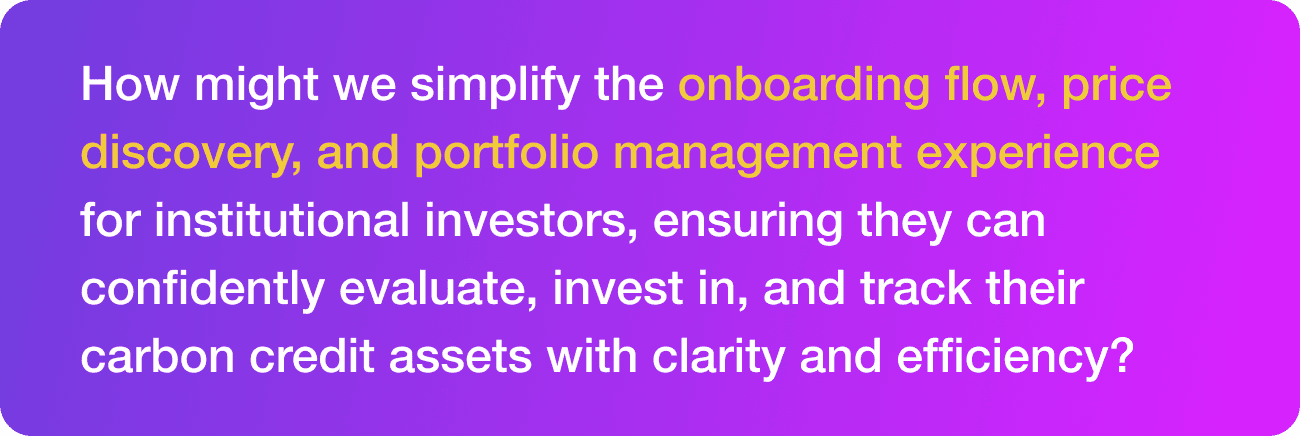
Goals
BUSINESS GOALS
Increase onboarding completion rates by reducing complexity.
Boost investor confidence through better transparency in project details and financials.
Improve engagement on project pages by making investment data more structured and accessible.
Ensure investors can efficiently manage and track their portfolios to encourage long-term investment activity.
USER GOALS
Simplify onboarding into a guided, step-by-step flow.
Improve project discoverability with structured, easily comparable data.
Enhance investment transparency by clearly presenting pricing, risks, and credit issuance timelines.
Introduce a fully functional portfolio that provides real-time tracking, allocation insights, and financial breakdowns.
Impact
As this is a huge project, we released the new designs in phases. For confidentiality reasons I have omitted the actual values for these metrics.
55%
Increase in Onboarding Completion Rates
40+ new institutional clients onboarded & verified within a few months.
+65% KYB/KYC verification completion due to simplified onboarding steps.
-30% reduction in drop-off rates during the account setup process.
60%
Faster Project Discovery & Comparison
+70% increase in users actively exploring project details.
+50% boost in project engagement with structured filters and data-driven insights. Also, faster decision-making as investors can now compare project financing types efficiently.
42%
Increase in Overall Investment Transactions
+50% more completed investments due to clearer financial breakdowns and escrow-backed security.
+35% increase in transaction visibility, reducing uncertainty in fund disbursement and project funding milestones.
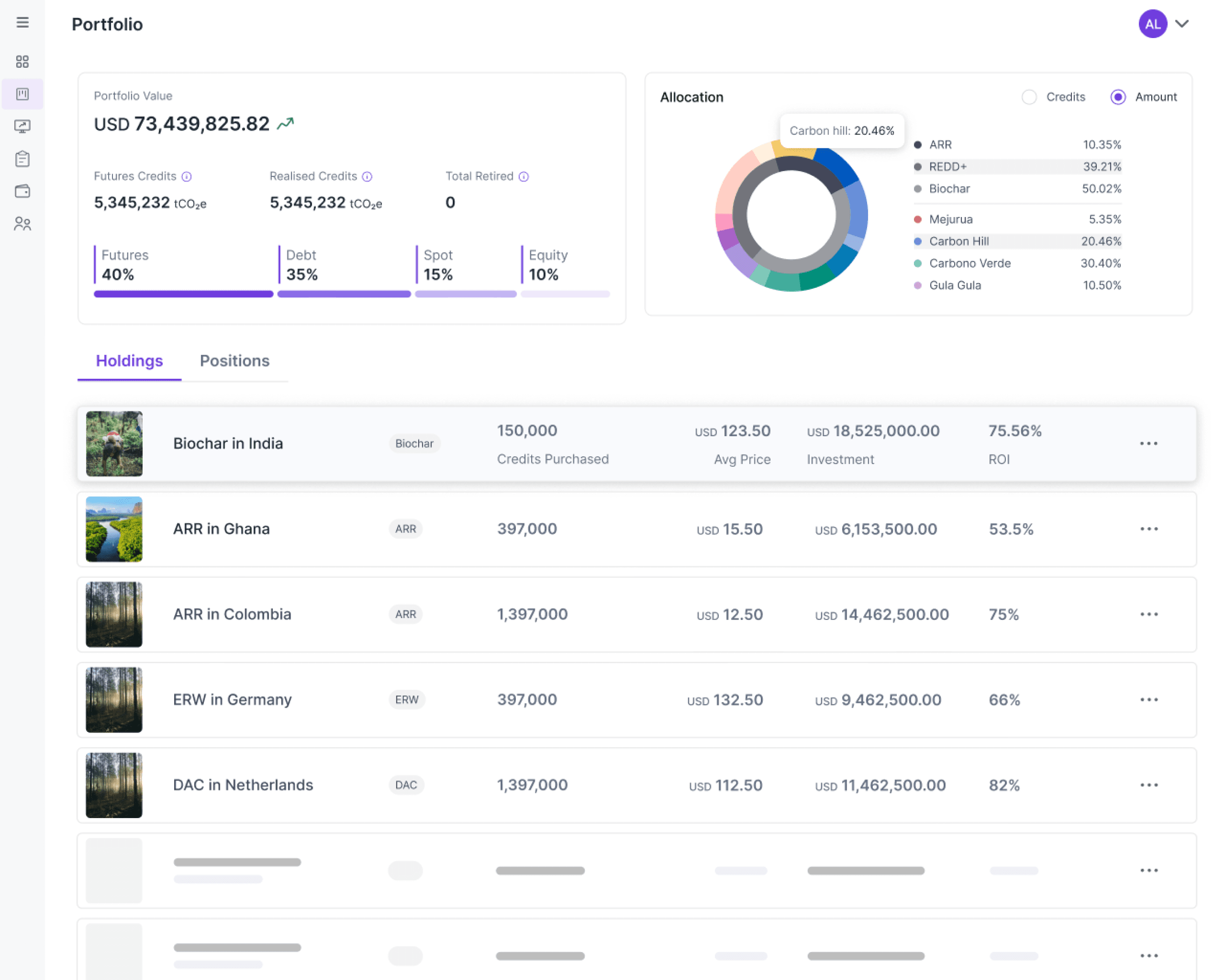
Coming soon
Portfolio Dashboard (Designed &
In Development)
+90% expected improvement in investment tracking with real-time credit allocation and ROI breakdown.
+50% expected increase in investor engagement on portfolio-related pages, reducing reliance on external tracking.
100% of investors will have access to a centralised dashboard to manage their carbon credit holdings.
Portfolio tracking feature designed and in development, aimed at improving investment visibility.
Our Users
Before redesigning Vericap, we conducted extensive user research, analyzing institutional investors and project developers to understand their needs, behaviors, and pain points. Through user interviews, platform data, and behavioral insights.
We identified 3 key user archetypes and their jobs-to-be-done (JTBD).

The Institutional Investor (Portfolio Manager / Fund Allocator)
Seeks structured risk assessment and financial transparency.
JOBS-TO-BE-DONE
When committing capital, I need a clear breakdown of project risks, pricing, and escrow protection so I can invest confidently.
When managing my portfolio, I want a real-time investment tracker so I can monitor my holdings and returns easily.

The Project Developer (Carbon Project Owner / Developer)
Seeks capital for carbon projects and impact tracking.
JOBS-TO-BE-DONE
When raising funds, I need a seamless onboarding and project verification process so I can access institutional capital faster.
When investors engage with my project, I want to showcase milestones and impact data so I can gain their trust and secure funding.

The Hybrid User (Investor-Developer / Impact-Focused Buyer)
Seeks both investment opportunities and project success.
JOBS-TO-BE-DONE
When investing, I want structured insights on carbon impact and SDG alignment so I can make sustainable investment decisions.
When running a project, I need real-time updates on funding and credit issuance so I can strategically plan operations.
Competitor Analysis
Before designing the investment experience, we conducted a competitive analysis to understand how existing platforms handle carbon credit investments. While there are multiple platforms facilitating project financing and carbon offsetting, most lack a comprehensive approach that combines investment transparency, impact tracking, and risk assessment—all in one place.
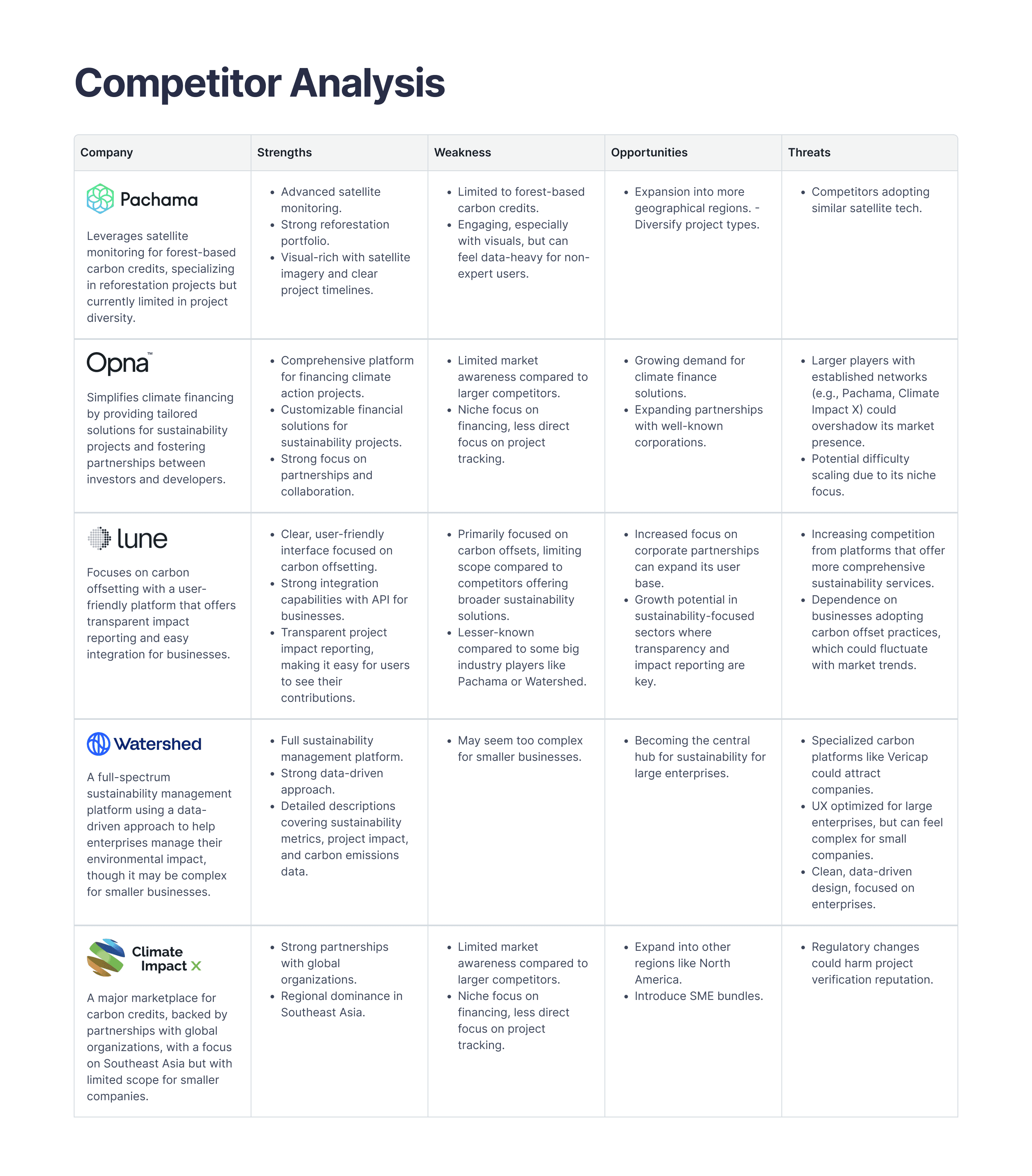
Key Insights from Competitor Analysis
Pachama – Strong in satellite monitoring and forestry-based credits but lacks diversity in project types.
Opna – Focuses on climate finance but has limited visibility among institutional investors.
Lune – User-friendly but primarily caters to carbon offsets rather than investment opportunities.
Watershed – Full-scale sustainability management but overly complex for smaller businesses.
Climate Impact X – Strong in partnerships but has a regional focus with limited scalability.
How Vericap Bridges the Gaps
End-to-End Investment Management
Milestone-Based Escrow
Streamlined Onboarding & Transactions
Market Visibility & Pricing Tools
Design Process
Design Sprints
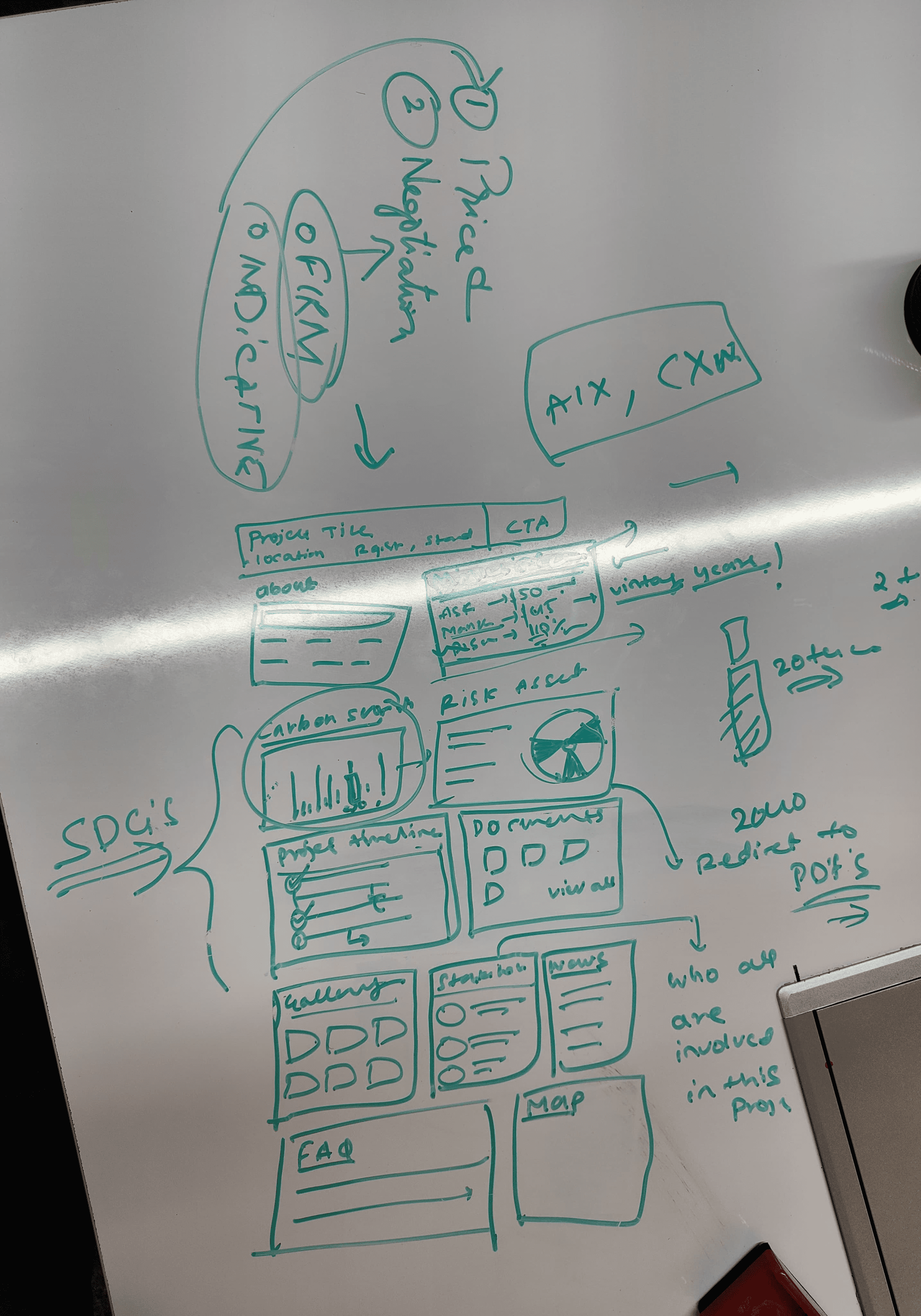
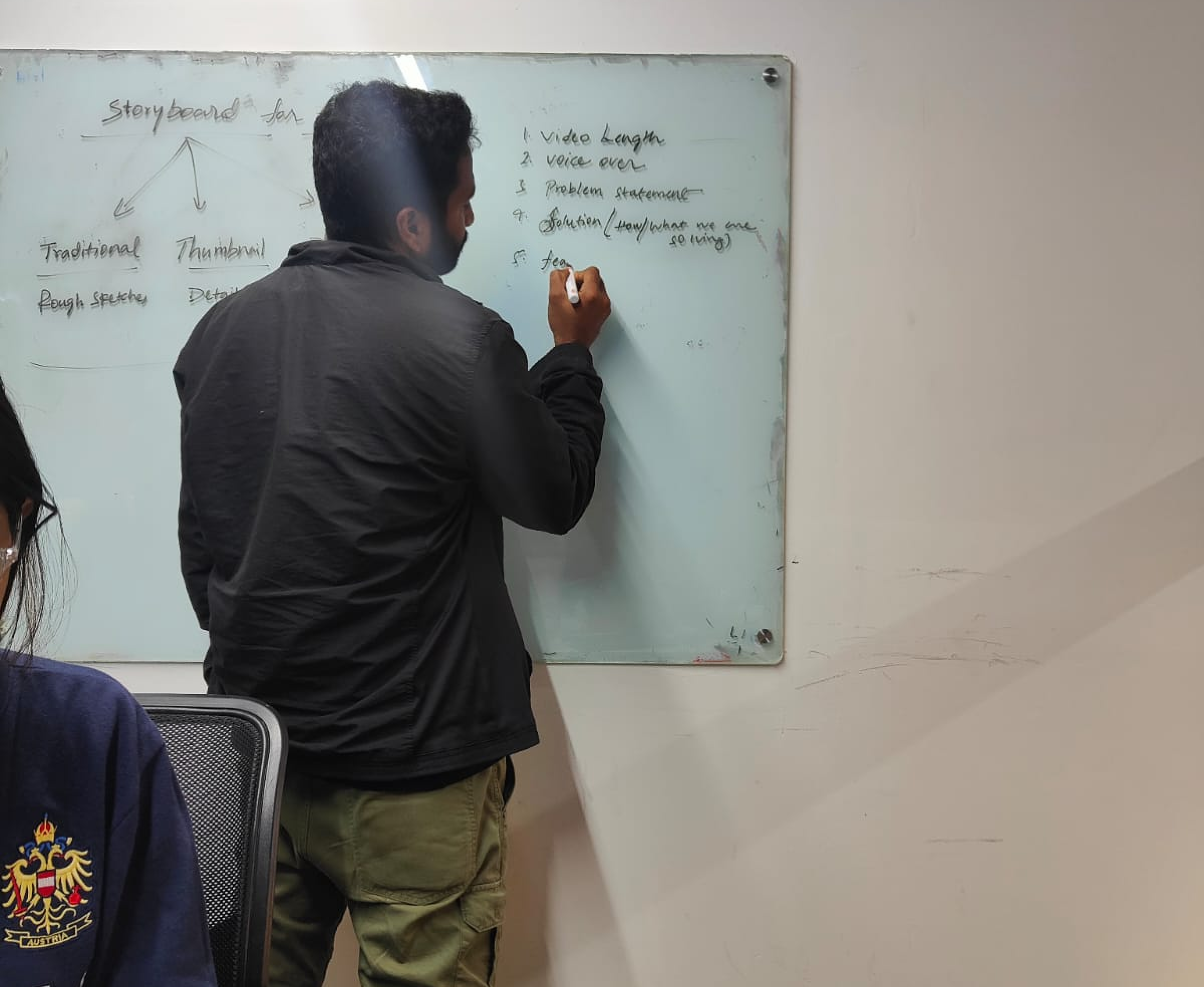
We conducted design sprints using an agile methodology, enabling seamless collaboration across Product Designers, Product Managers, and Creatives contributed their fresh ideas in this sprint.
By integrating design and development sprints, we ensured an iterative approach, continuously refining solutions to align with our shared goal—To enhancing the user experience by solving real user challenges.
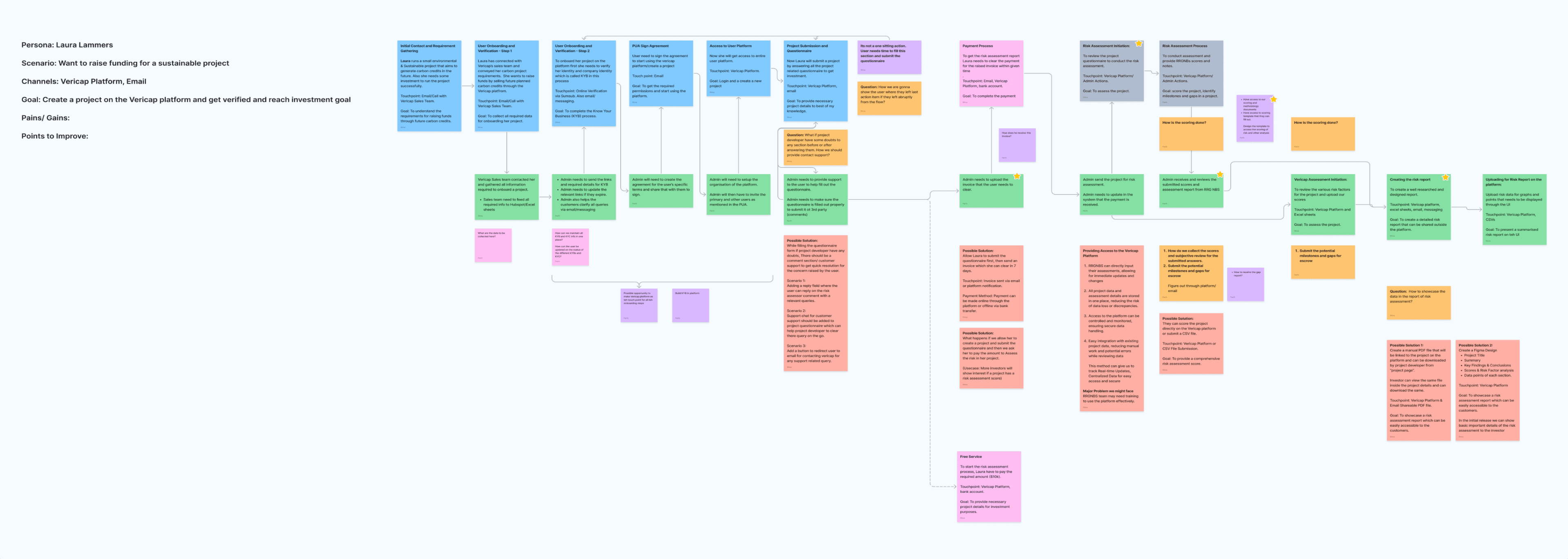
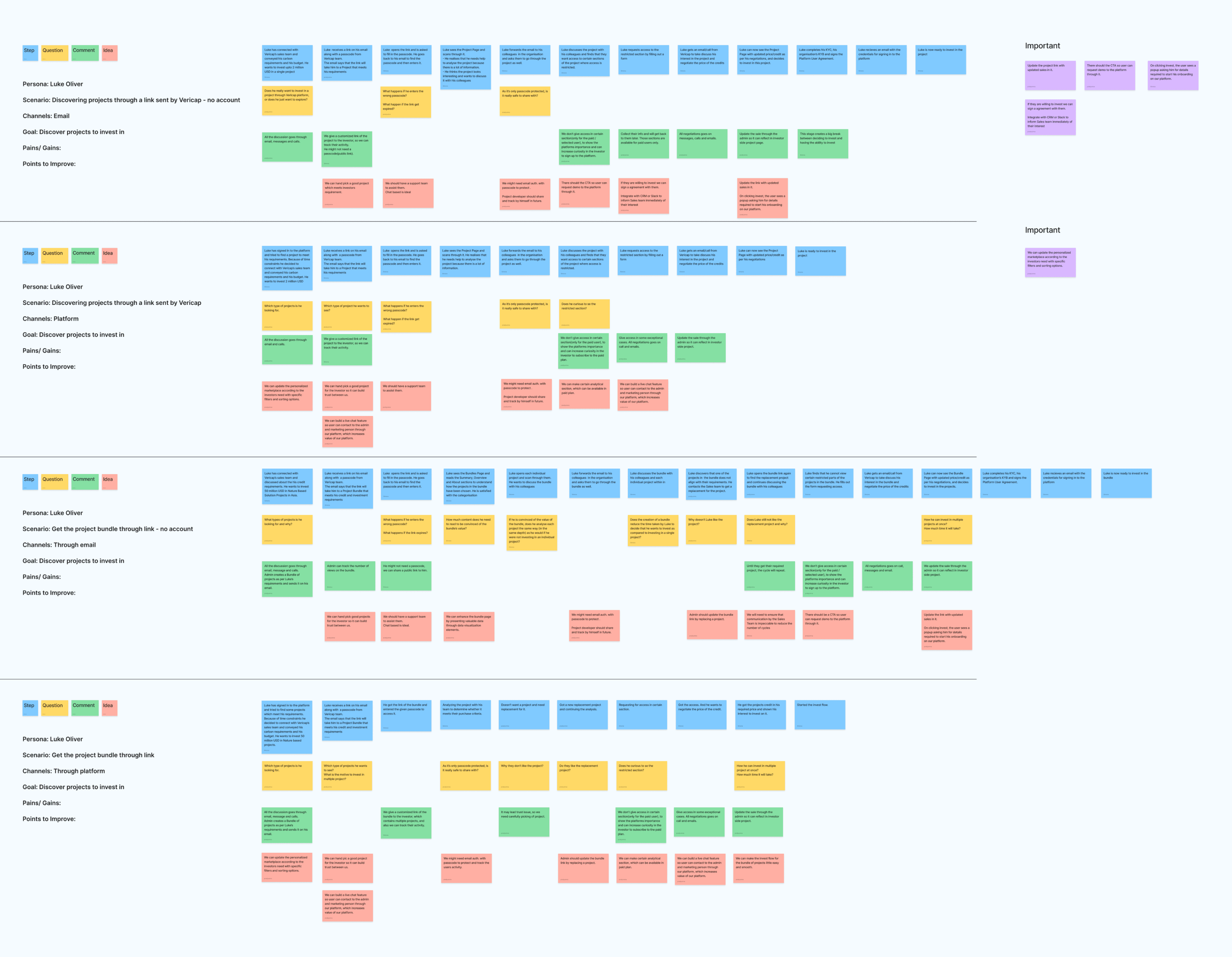
User Flows
Understanding how investors and project developers interact with the platform was a critical part of our design process. We analysed their journeys to identify bottlenecks, pain points, and opportunities for optimisation.
Mapping the Existing Flow
Initially, the platform had a fragmented experience:
Investors found it difficult to discover, evaluate, and invest in projects seamlessly.
Project developers faced challenges in submitting and tracking funding progress.
The onboarding process lacked clarity, causing delays in investment decisions.
Refined & Optimized Flow
By conducting user interviews, heuristic evaluations, and analysing pain points, we restructured the flow to make it more intuitive. Key improvements included:
Streamlined Onboarding → A guided setup process to help investors and developers complete verification and documentation faster.
Investment Exploration & Evaluation → Investors can now seamlessly compare projects, access due diligence reports, and analyse financial breakdowns to make informed decisions.
Real-Time Portfolio Tracking → A newly introduced portfolio dashboard enables investors to track investments, credits, and escrow status.
Frictionless Transactions → Clearer financial visibility and structured investment contracts have increased completed transactions by 42%.
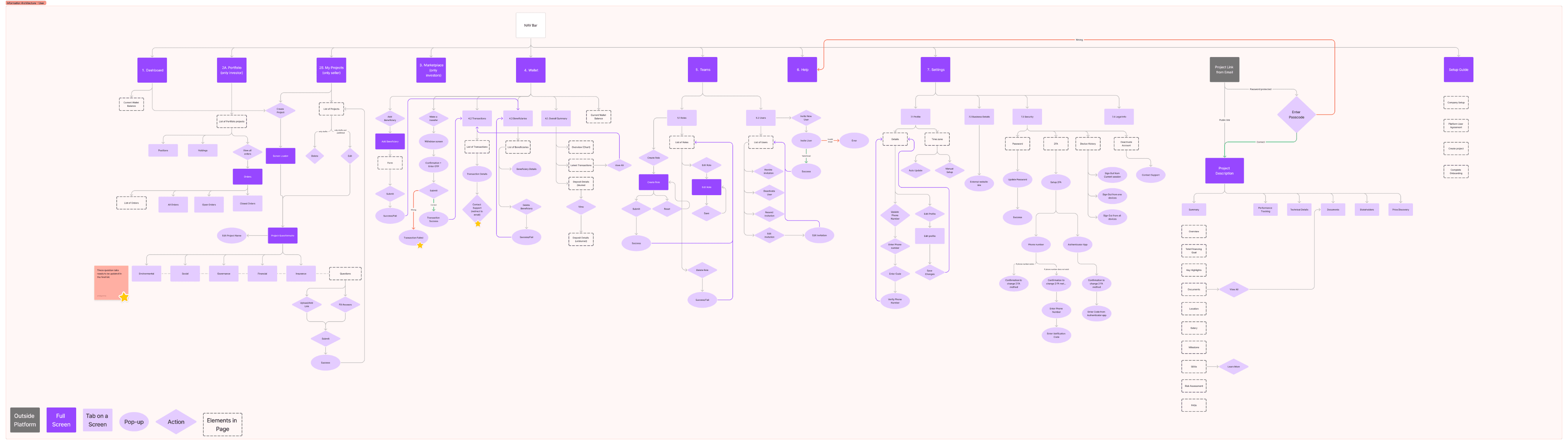
Information Architecture
To ensure a seamless user experience, we developed a structured Information Architecture that organises the platform’s key functionalities while reducing friction in navigation.
This helped define clear entry points for investors and project developers, improving discoverability and usability.
Simplified Navigation
Clear Hierarchy
Guided Actions
Seamless Cross-Linking
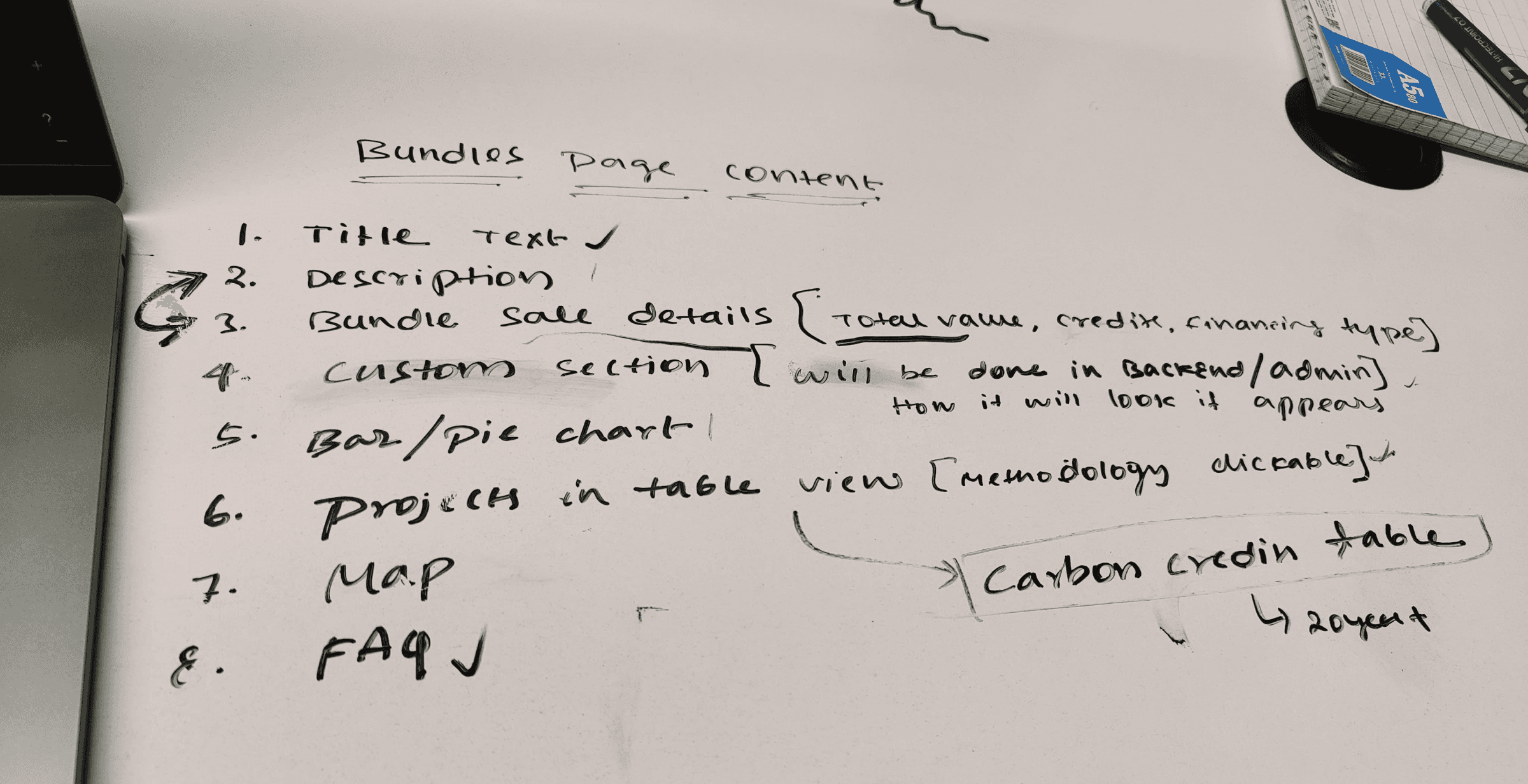
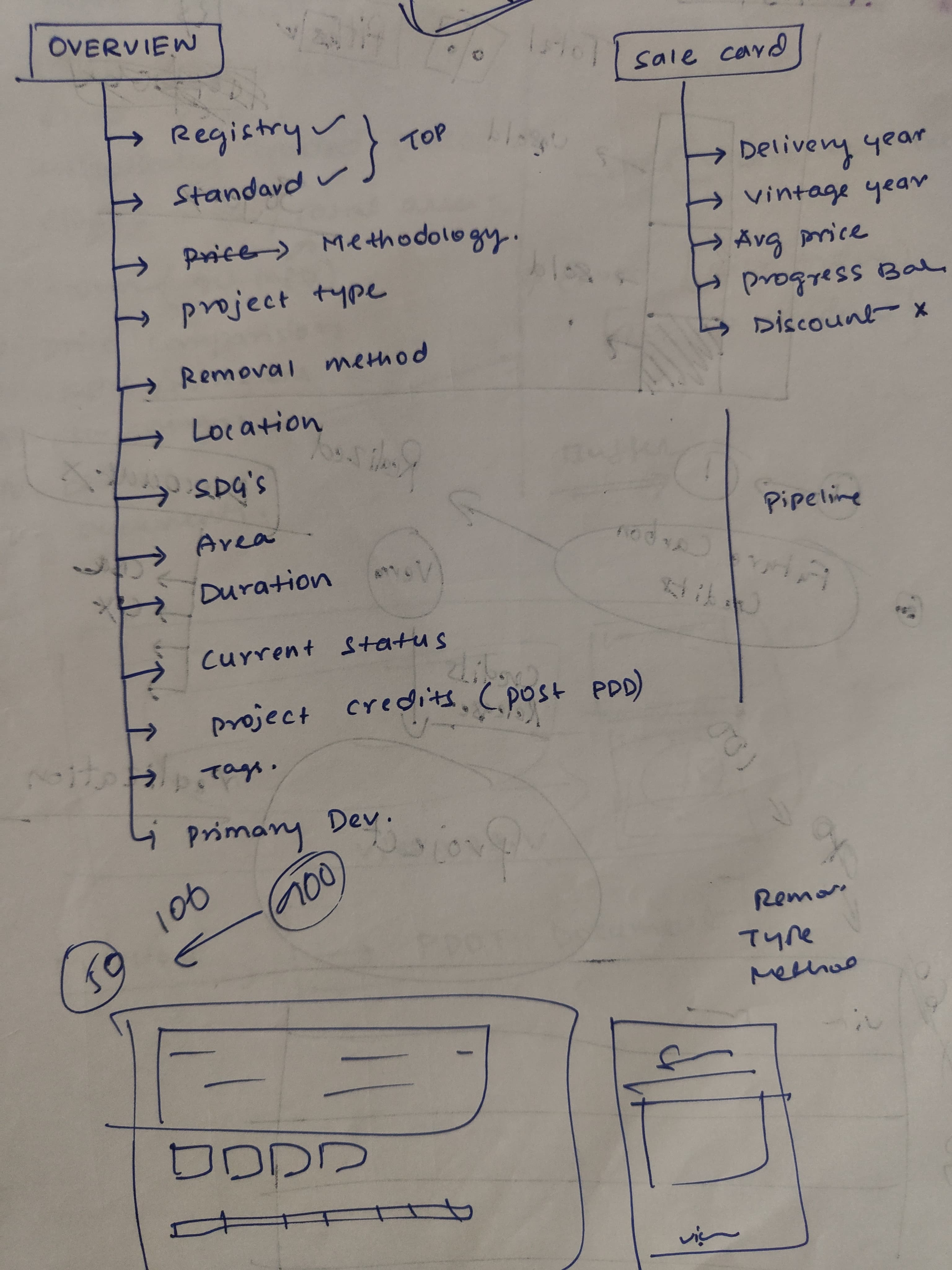
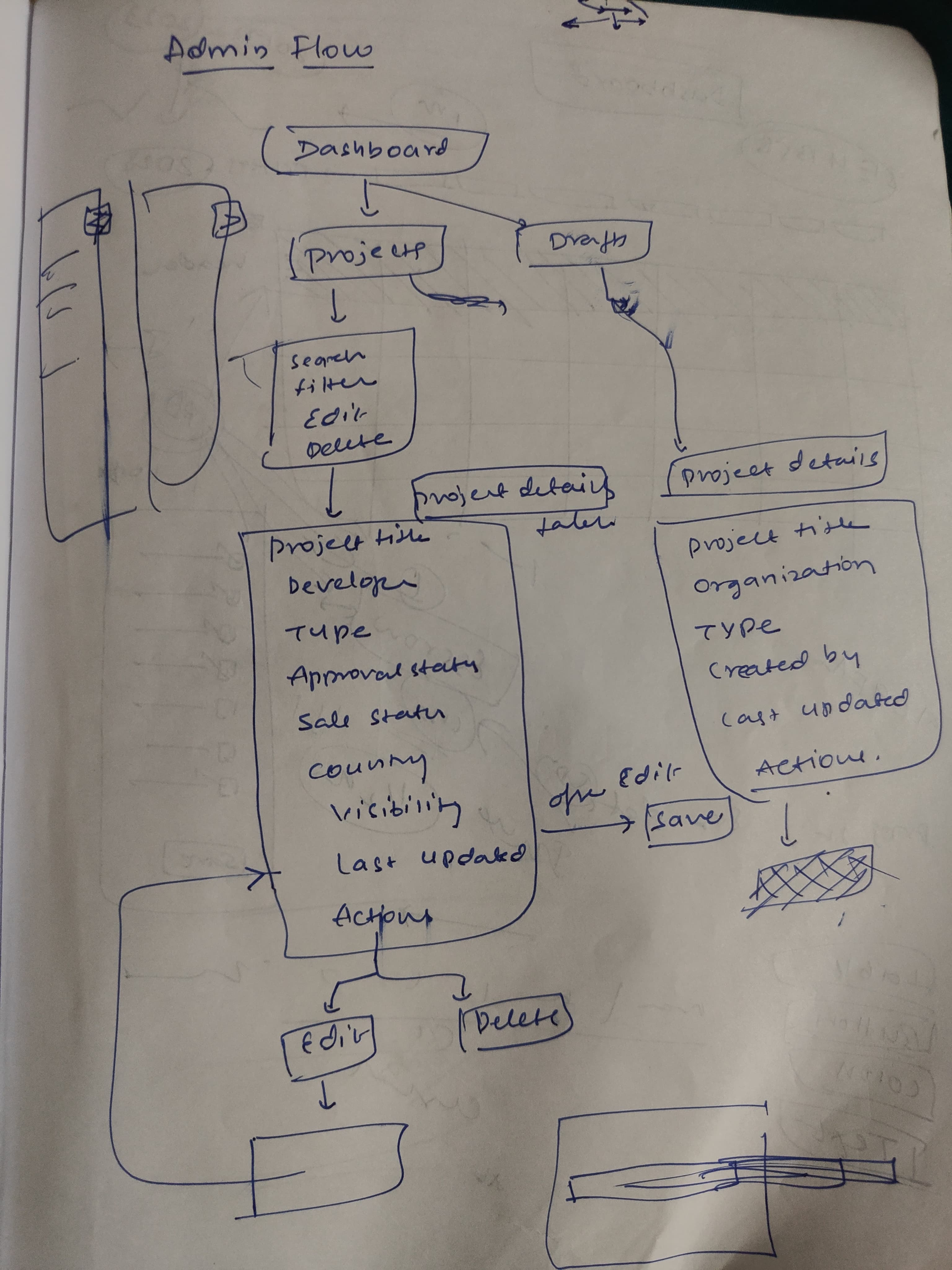
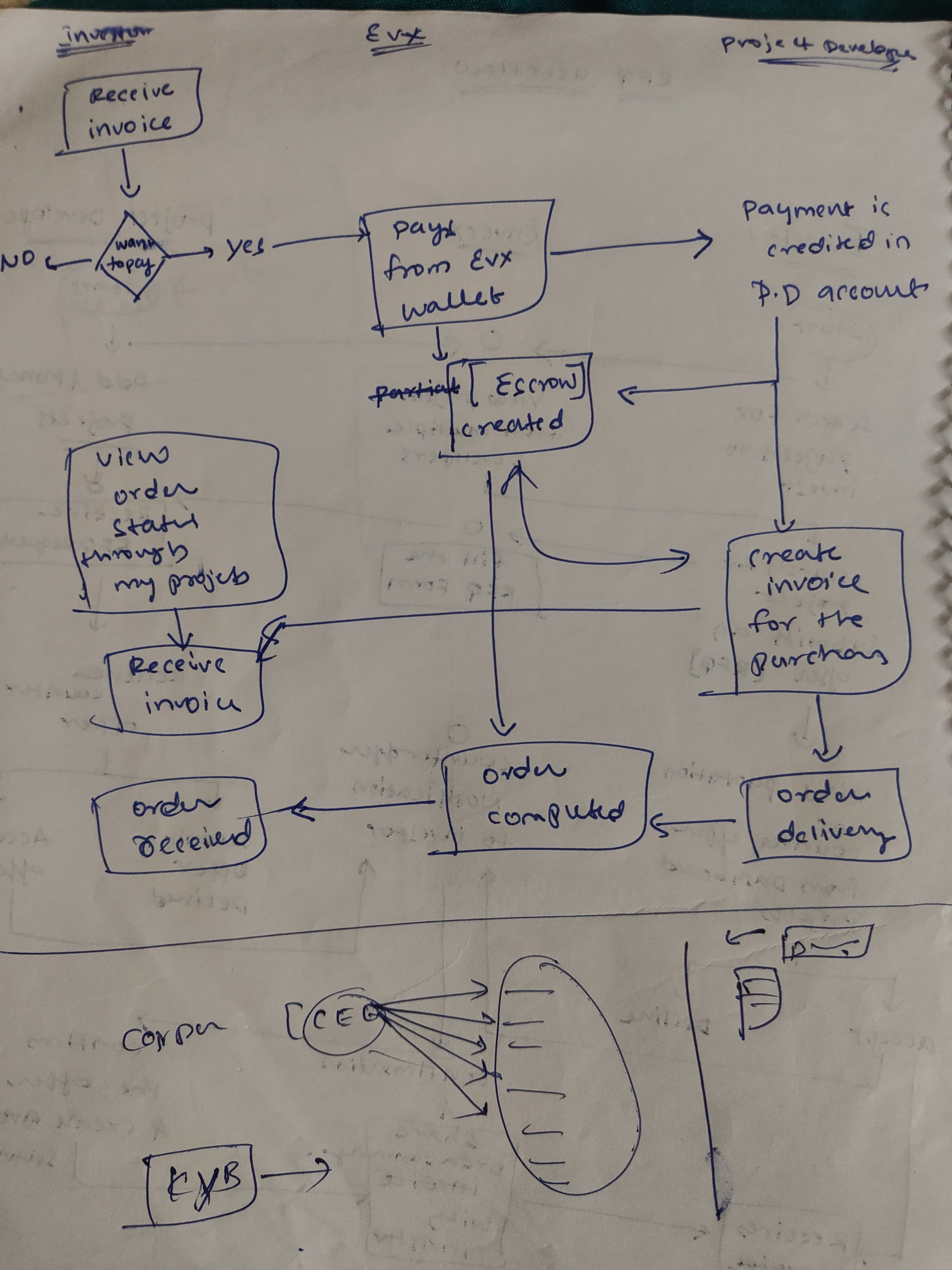
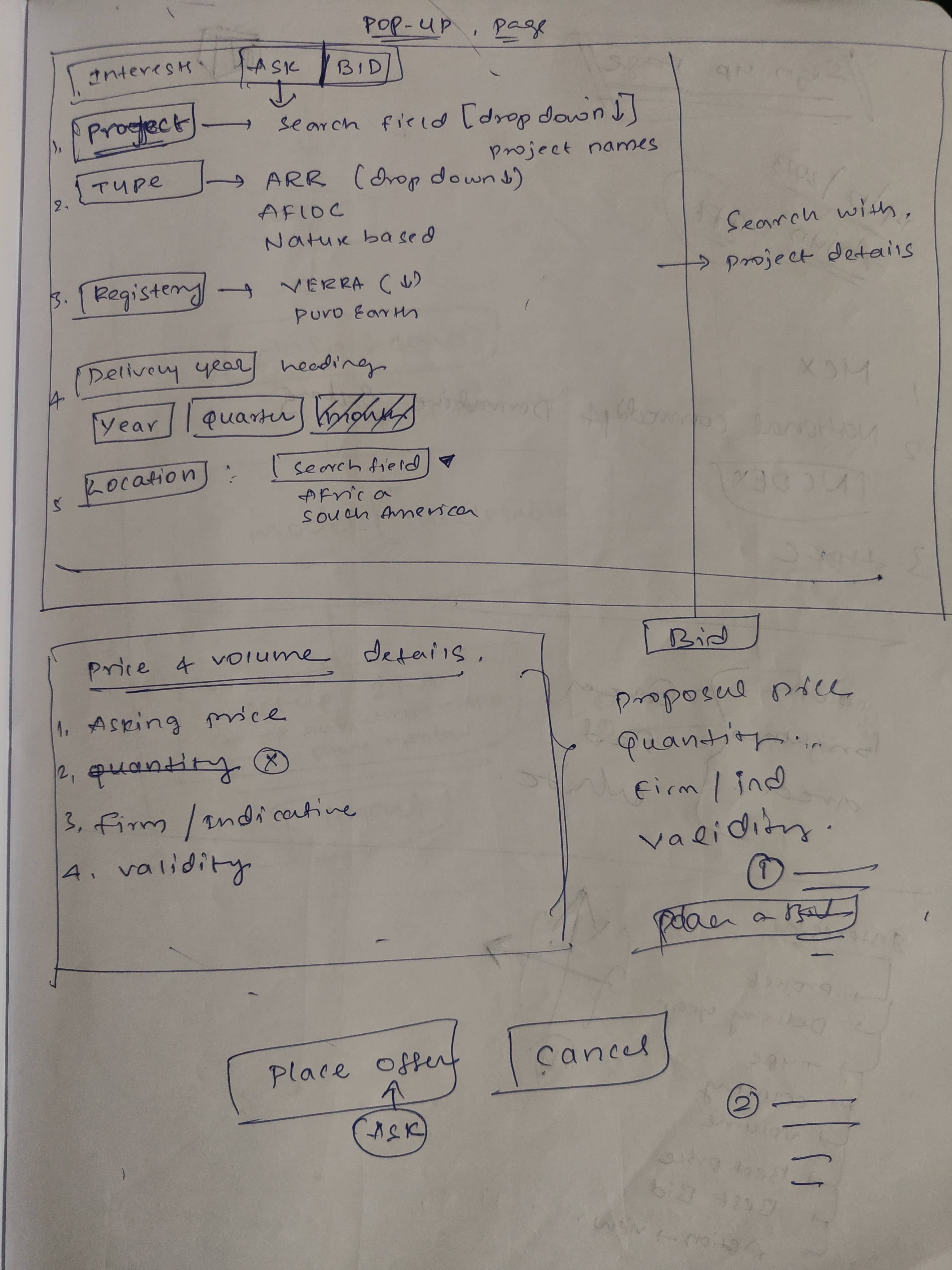
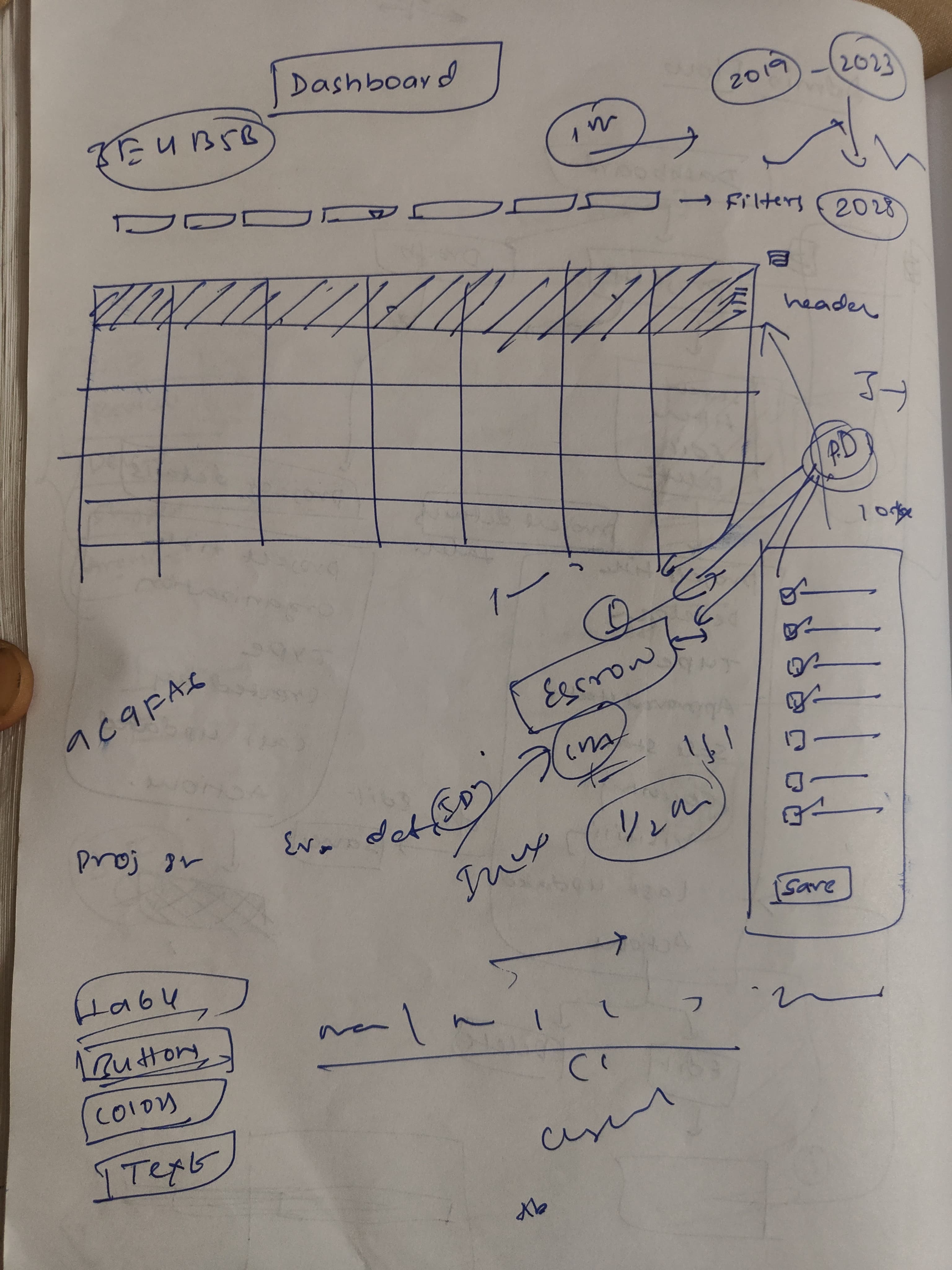
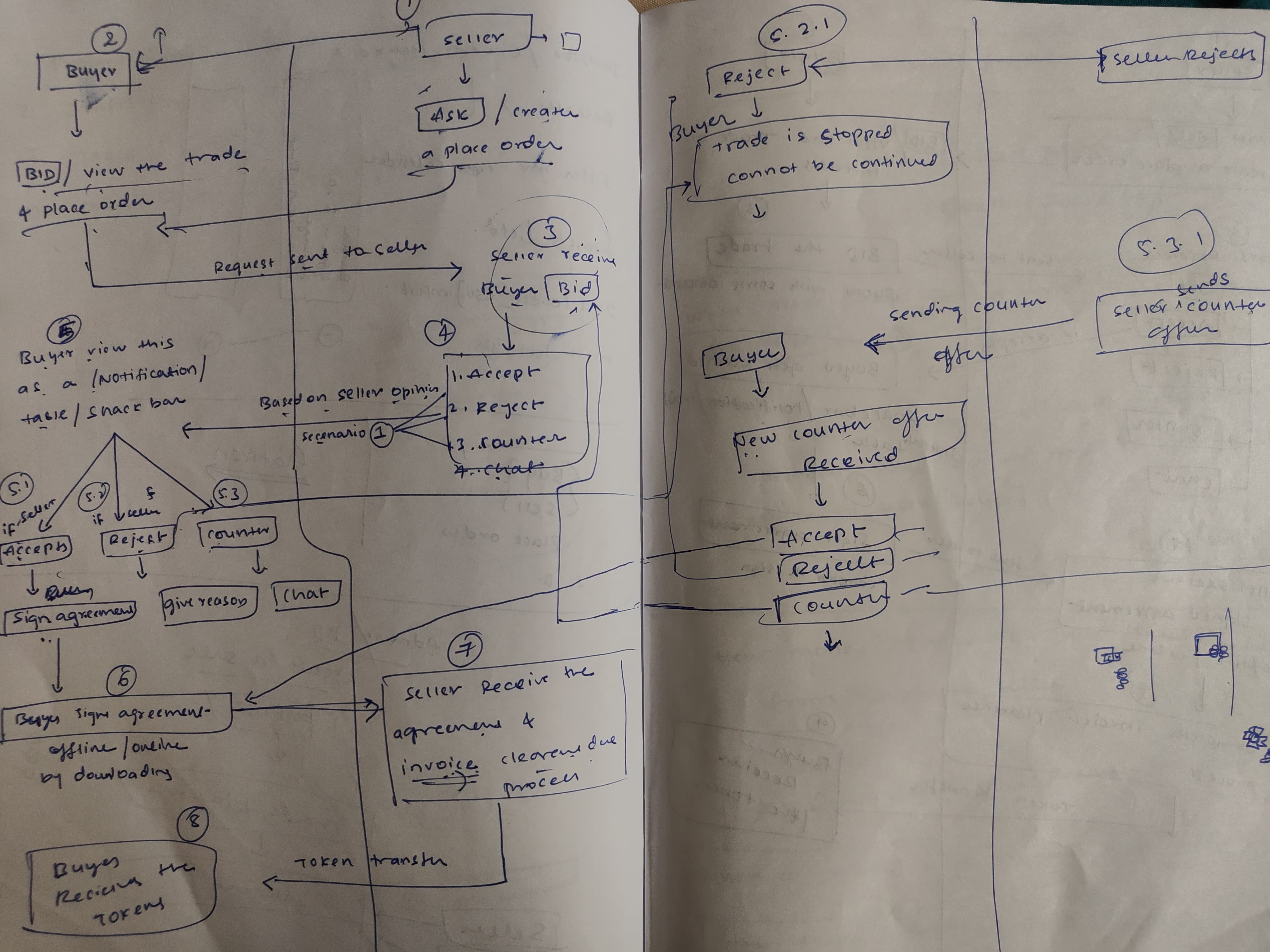
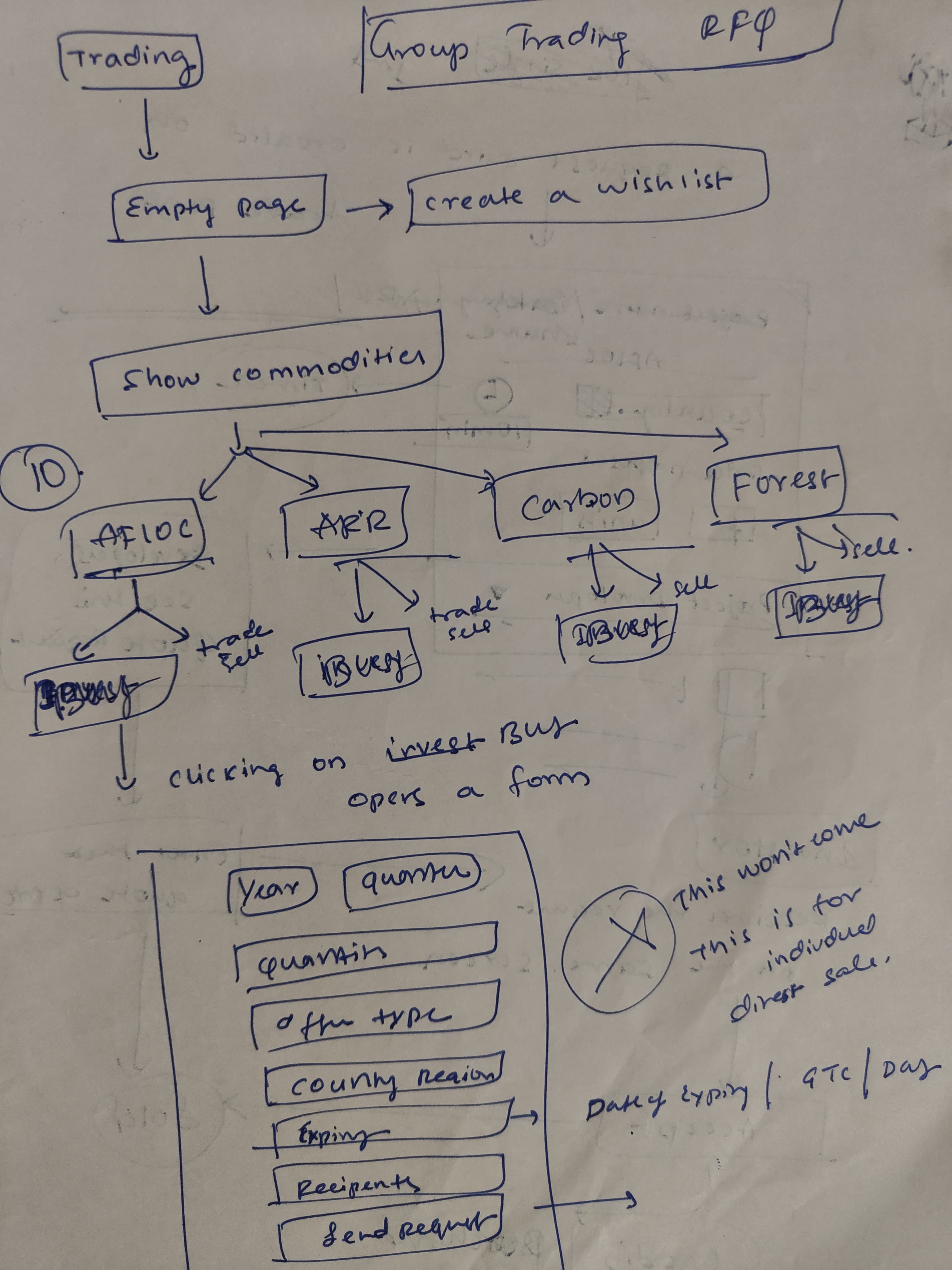
Wireframes (Sketches)
Our early design iterations focused on creating a more structured and intuitive user experience. We explored different UI layouts, and user flows using hand drawn sketches.
Usability Testing & Customer Interviews
To ensure Vericap’s platform met the needs of institutional investors and project developers, we conducted multiple usability tests. These tests focused on:
Onboarding efficiency → Were users able to complete onboarding seamlessly?
Investment discovery & decision-making → Could investors efficiently analyze and compare projects?
Risk & impact monitoring → Could users track environmental milestones and investment safety?
MEthodology
Conducted remote and in-person testing with 17+ institutional investors and project developers.
Gathered feedback on navigation, clarity of financial data, and transaction workflows.
A/B testing different dashboard layouts to determine the most intuitive design.
Final Designs
With usability insights in hand, we refined our design system and improved the overall experience:
Consistent visual language → A modular design system for scalability.
Simplified onboarding UI → Reduced steps and clearer CTAs.
Investment discovery revamp → Enhanced project filtering and comparison.
Automated Disbursement Management → Funds are released only upon validated milestone completion.
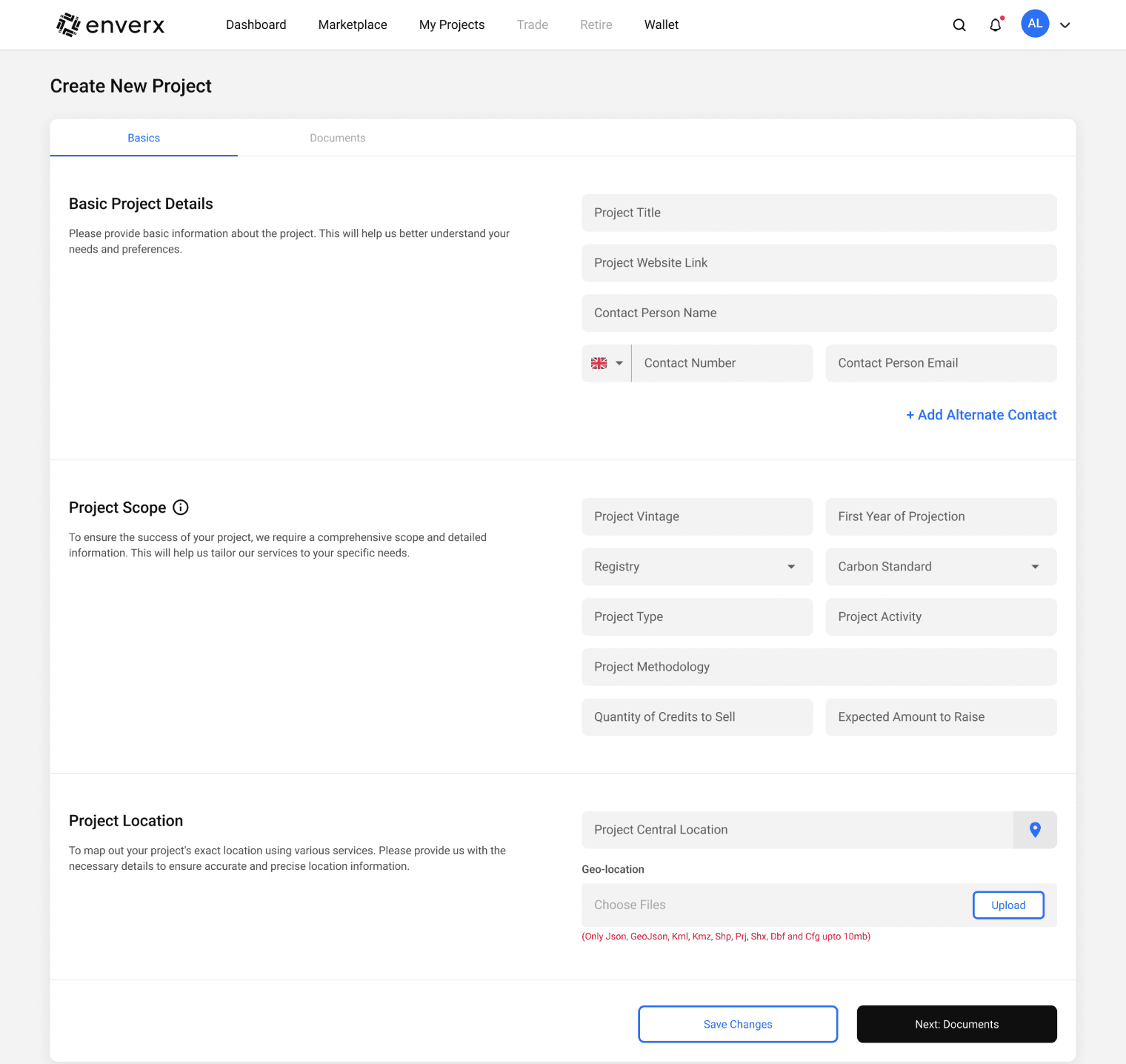
Before vs AFTER
Old onboarding: Multiple complex steps → New: Guided, easy-to-follow setup.
Old onboarding: Complex and cluttered project details → New: Clear, structured, and investor-friendly.
Old escrow system: Investors had limited visibility into milestone progress → New: Investors now receive real-time milestone updates before approving fund disbursements.
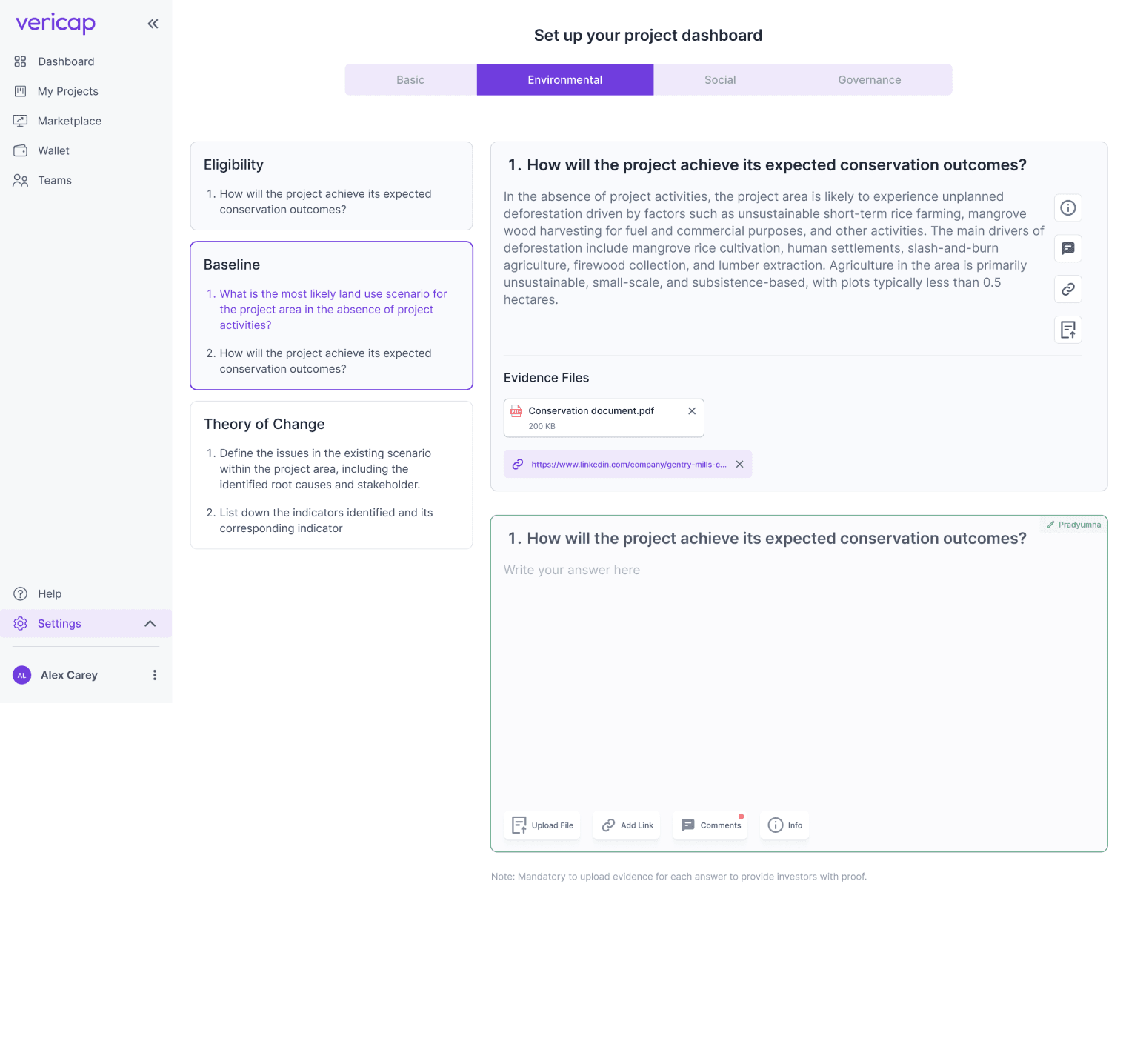
Iteration 1
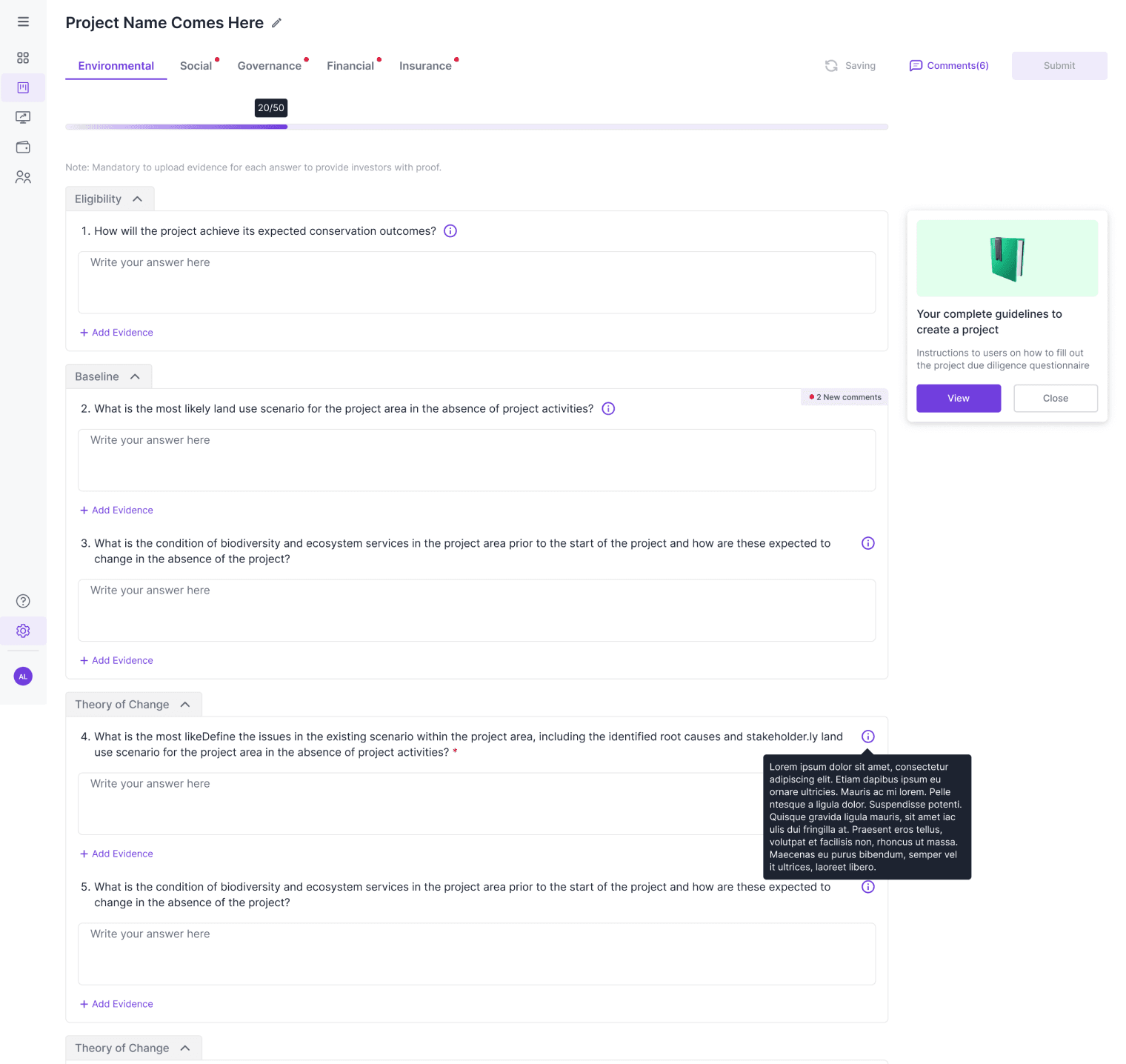
Iteration 2
Iteration 3
PROJECT DEVLOPER ONBOARDING FLOW
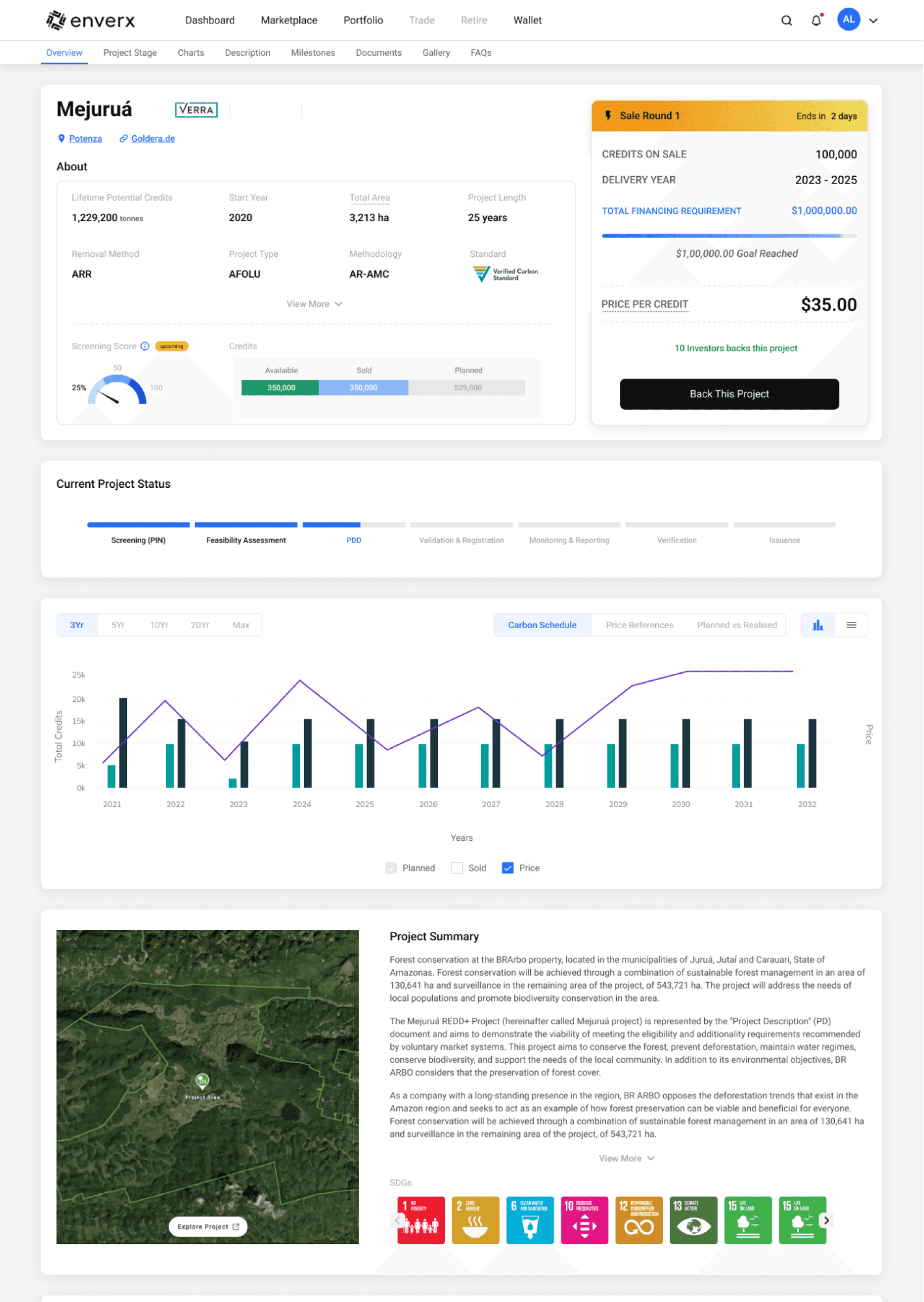
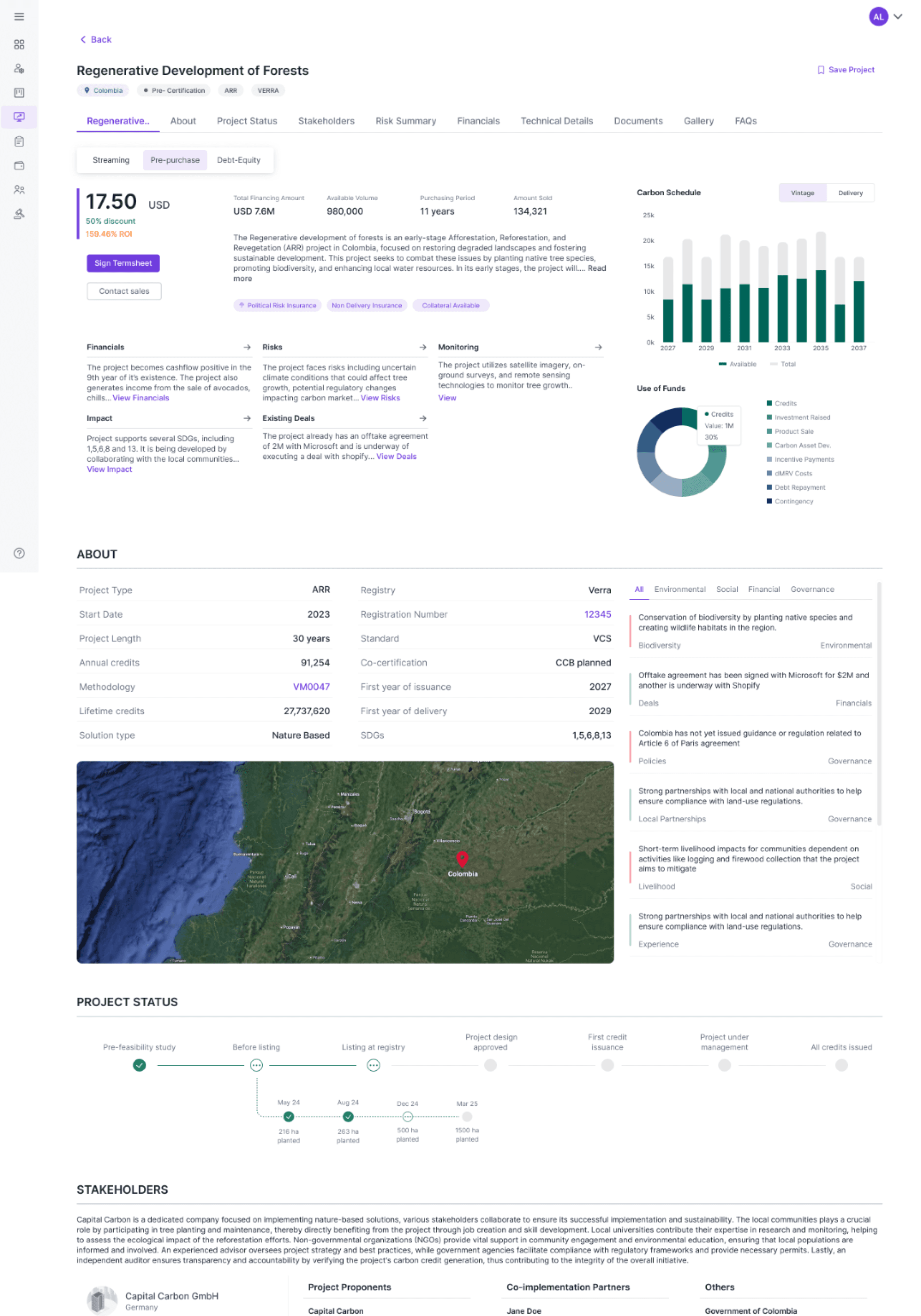
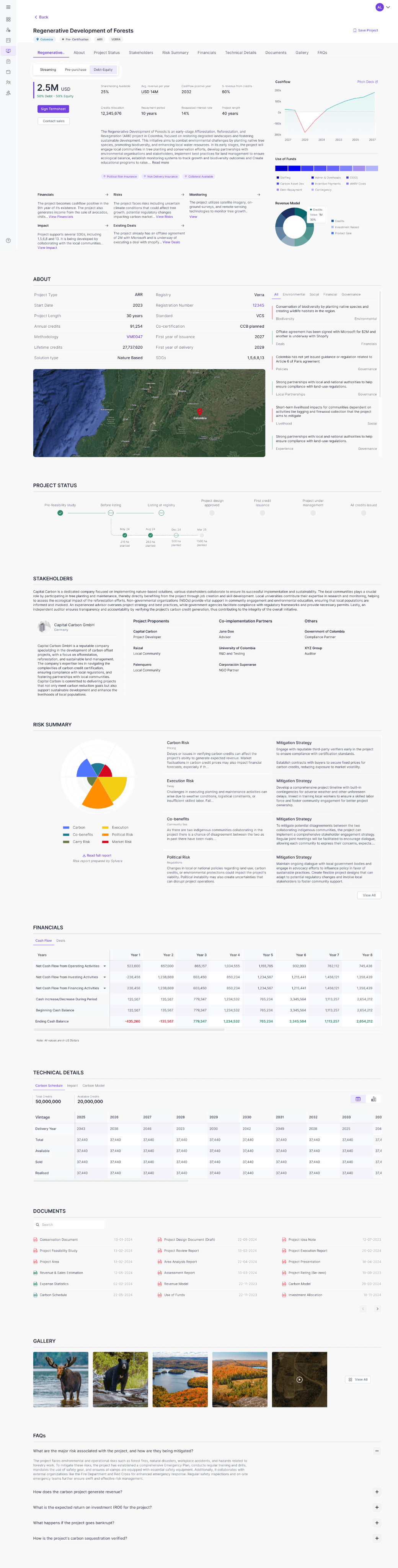
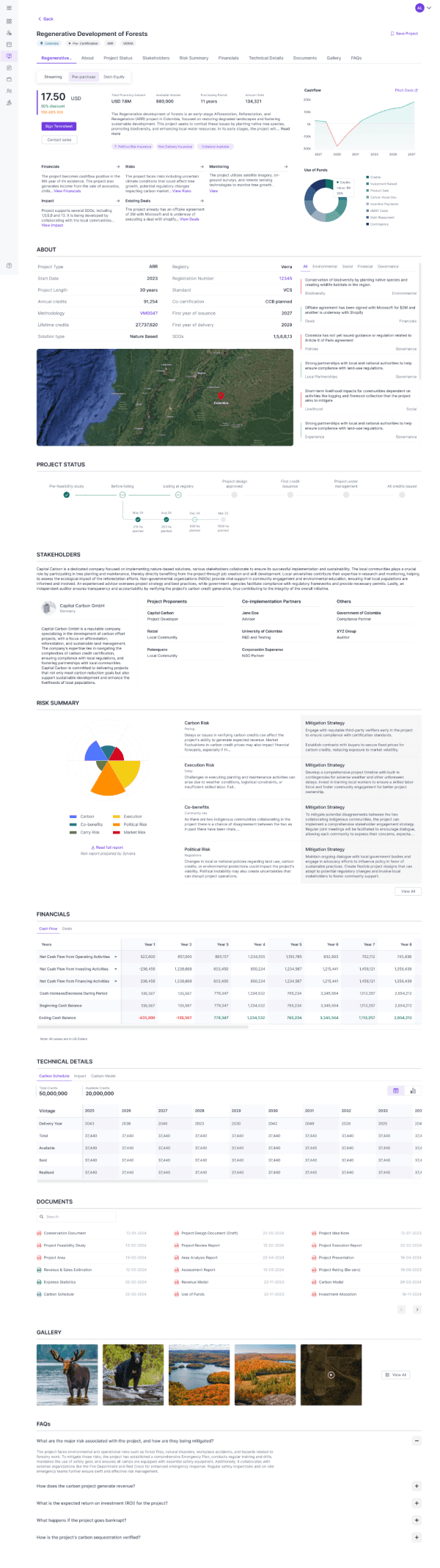
INVESTOR PROJECT DETAILS PAGE
Through 10+ iterations, we refined the investor experience, making key data metrics easily accessible and enabling confident investment decisions.
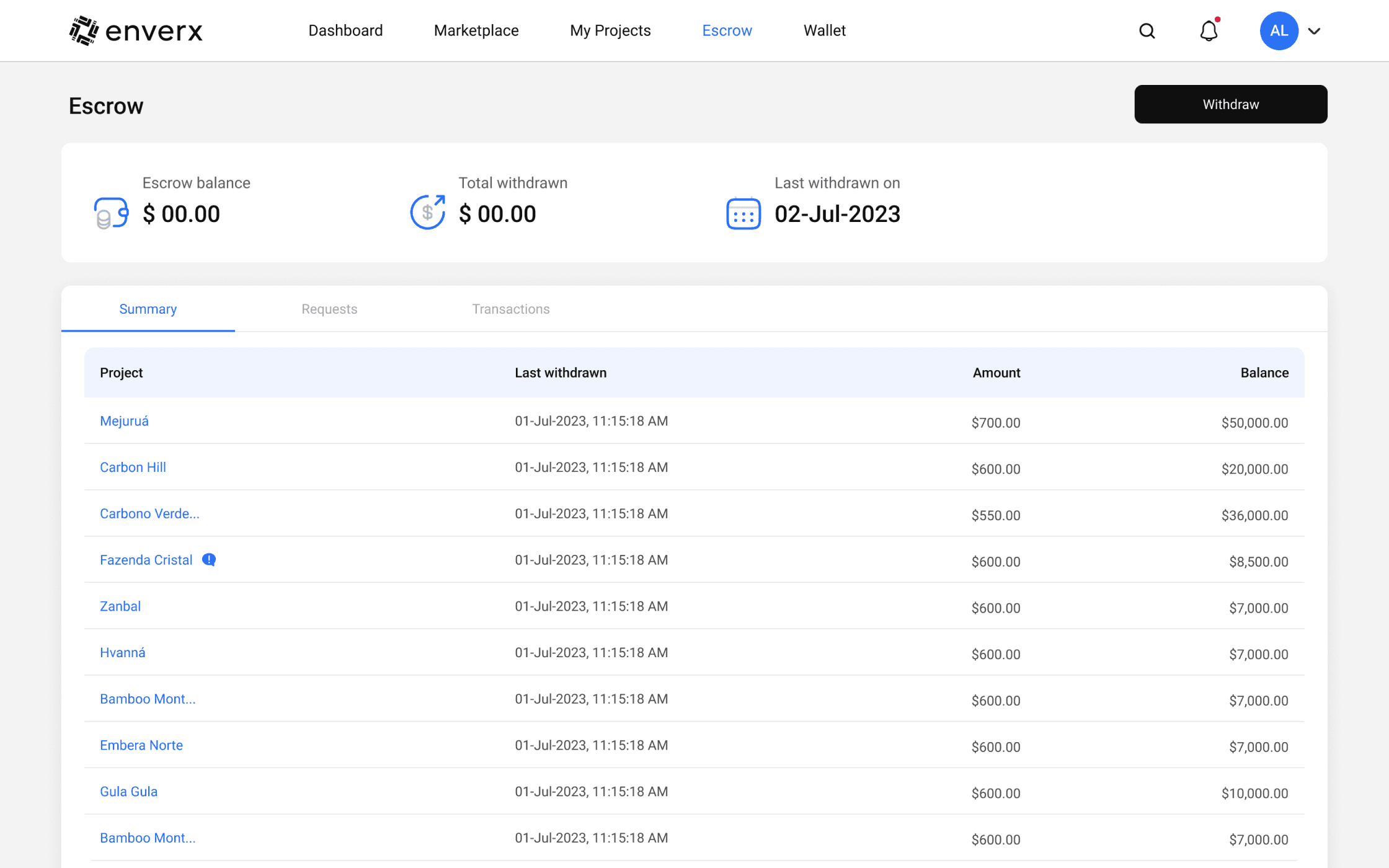
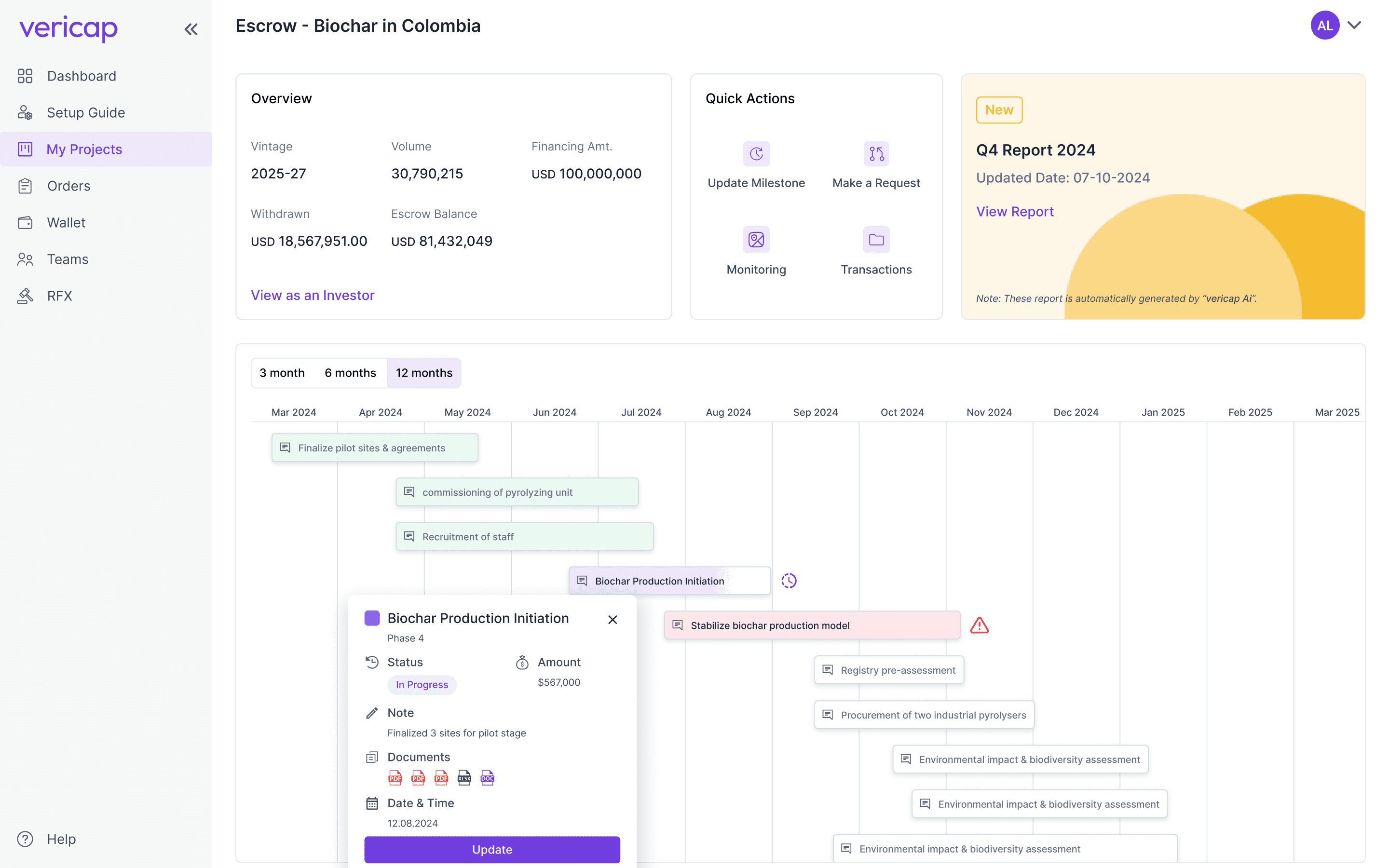
ESCROW (Impact Monitoring)
Iteration 1
Final Iteration
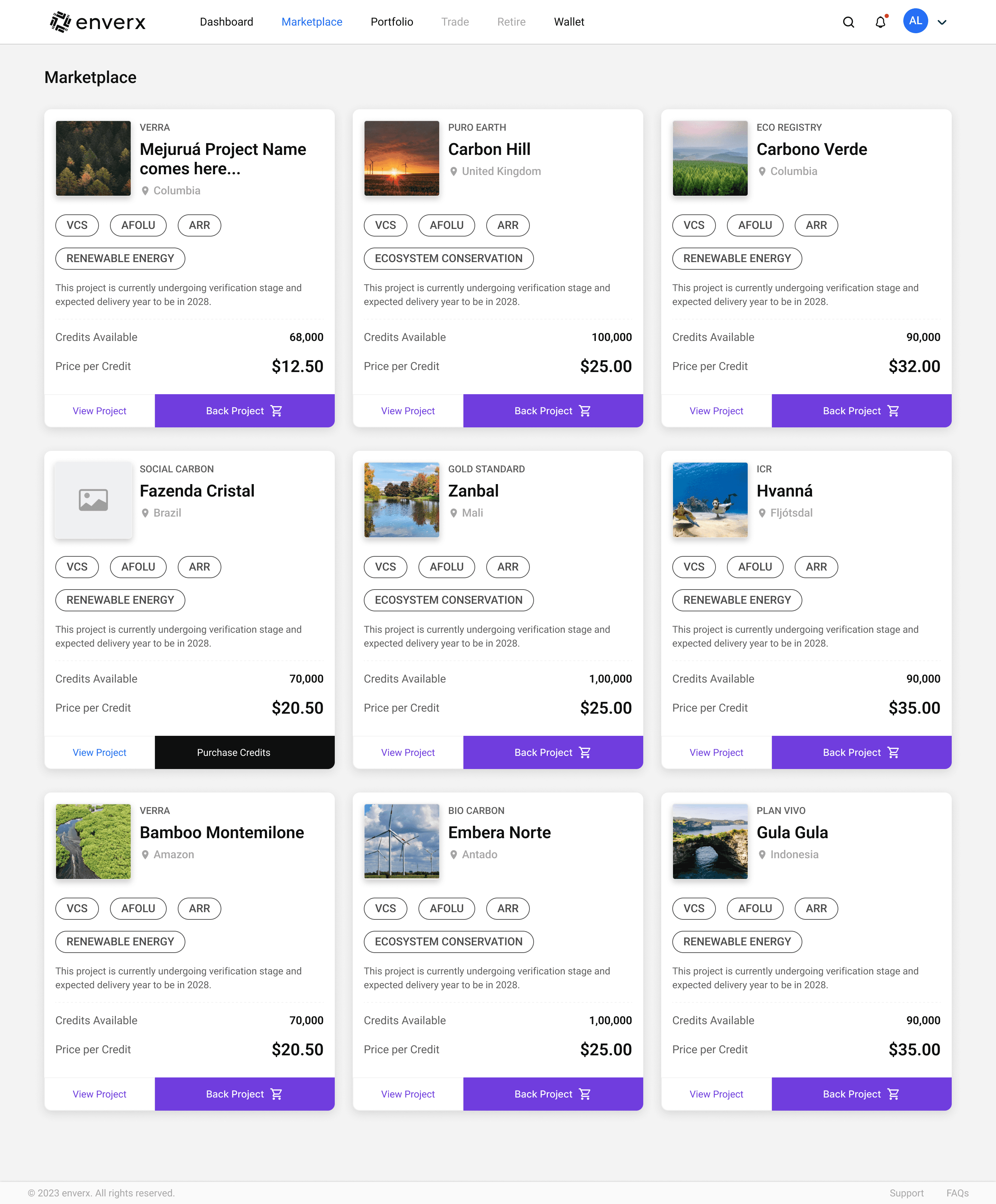
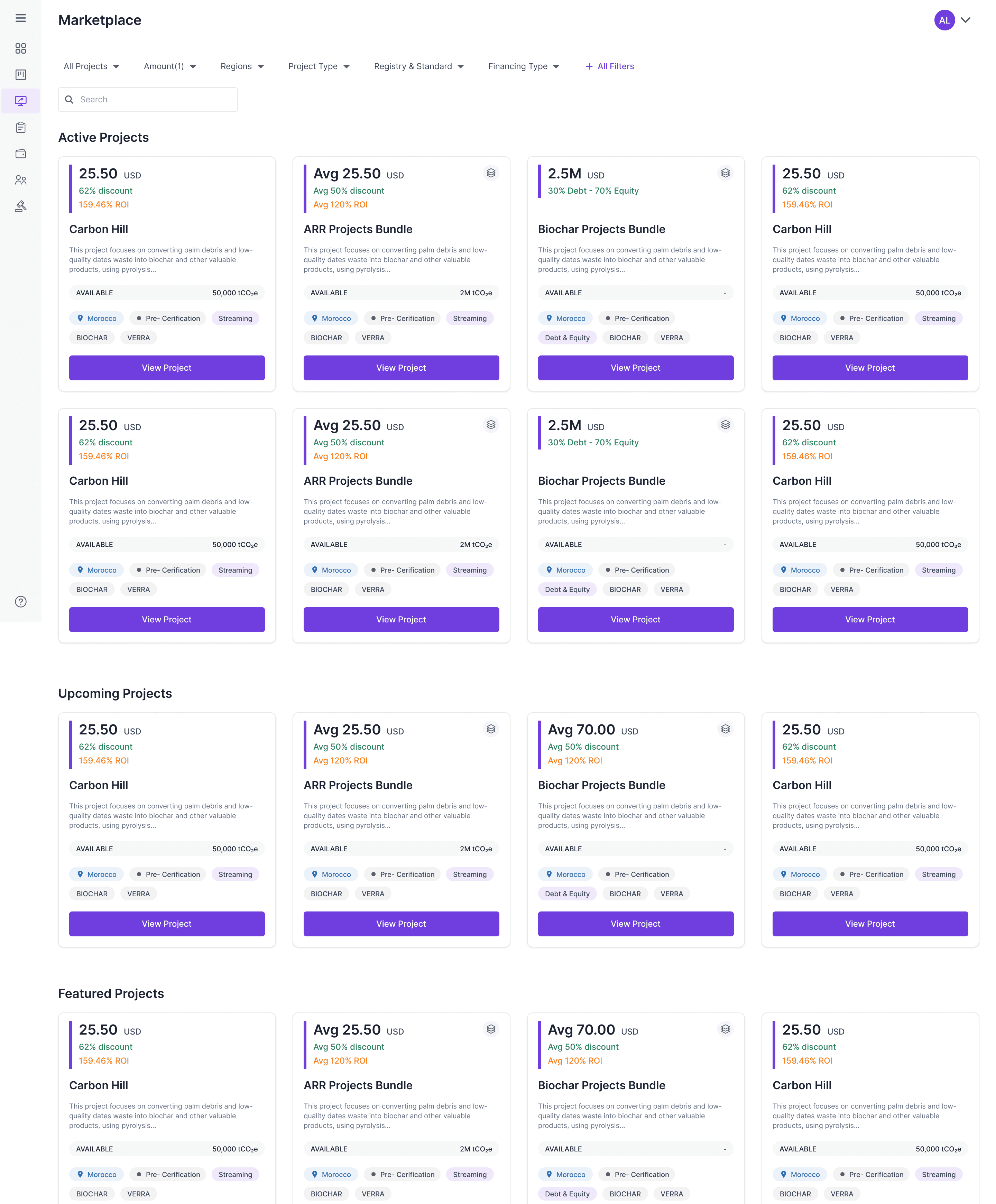
Investor Marketplace
Iteration 1
Final Iteration
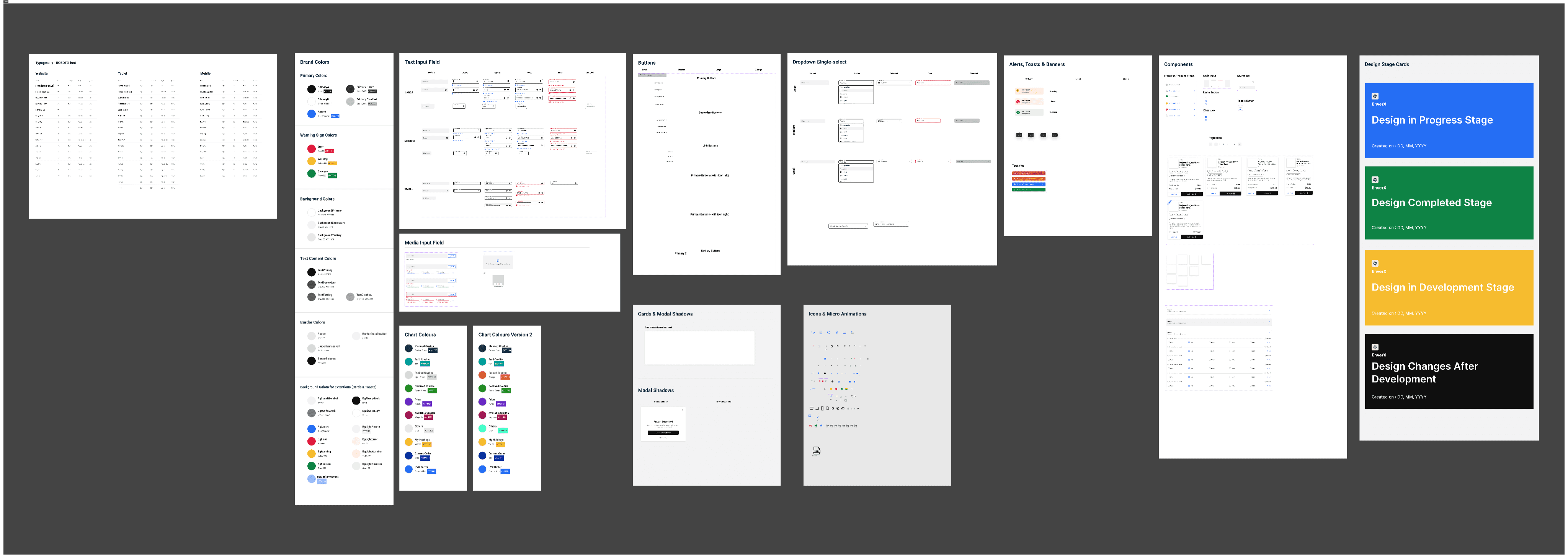
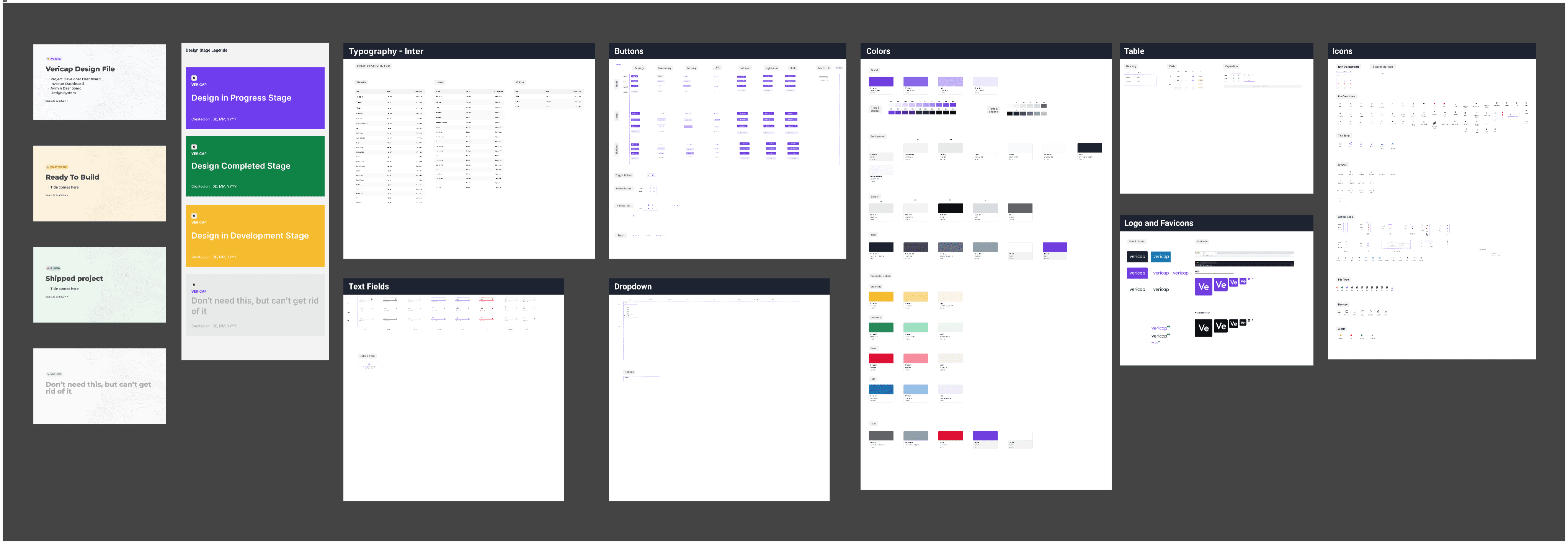
VERICAP Design System
Vericap is a scalable design system that streamlines development and minimizes technical debt, ensuring consistency in components and user experience.
It consists of 100+ components with well-defined typography styles, icons, and illustrations. Every element in the platform (Web, Tab & Mobile) is built using these modular components, creating a unified, consistent, and robust UI.
The design system is continuously evolving, adapting to new needs and improvements over time.
New Version
Old Version
Outcome & Impact Summary
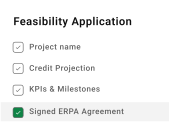
Seamless integration for investors & developers – Vericap connects regulatory bodies, financial contracts, feasibility applications, and carbon rights into one unified system.
Automated compliance & transparency – Smart workflows ensure legal approvals, funding milestones, and credit tracking are streamlined.
Data-driven investment confidence – Investors can evaluate risk, funding progress, and future projections with real-time insights.
INPUTS
Nature Based
Pre-Feasibility Funding
Financing Amount Required
$1,00,000.00 Goal Reached
LEGAL DOCS
Forward Contract
STATUS:
Signed
Carbon rights
S9D12NFK2

2021
2022
2023
2024
20k
15k
10k
5k
0
Planned
Sold
Price
Credits
Years
API

Rating Agencies
VVBs
My Key Learnings
User-Centric Design is Key
Investors and project developers require clear, structured flows. By simplifying onboarding and investment processes, we significantly improved platform engagement and usability.
Collaboration Drives Success
Designing for financial platforms isn’t just about UI—it requires deep alignment with compliance, operations, and legal teams. Our iterative approach helped refine the platform with real-world feedback.
Modular & Scalable Design Matters
Building a flexible system with reusable components ensured consistency and reduced technical debt, making future iterations seamless.
Incremental Improvements Lead to Better Adoption
Breaking complex workflows into smaller, intuitive steps made adoption easier. Each design sprint brought measurable improvements in usability and investor confidence.
Future Roadmap
Ongoing Enhancements & Bug Fixes
As Vericap scales, minor refinements will always be necessary. Continuous testing and feedback loops will help us address any emerging issues efficiently.
Post-Launch Optimization
The next step is refining the platform further based on real user interactions. Data-driven insights will allow us to enhance investor confidence, streamline transactions, and improve overall usability.
Commitment to Better Experiences
Vericap is more than a platform—it's a continuously evolving system designed to make institutional investments in carbon markets seamless, transparent, and efficient. By staying true to our vision, we will continue driving financial and environmental innovation, ensuring that investors and project developers have the best possible experience.
Thank you
This has been one of my most fulfilling projects at Vericap. It wouldn’t have been possible without the incredible collaboration of our design, engineering, and operations teams. Huge thanks to everyone who contributed!
Thank you for reading! I hope this case study gave you valuable insights into my design approach, problem-solving process, and the impact design can create in financial and climate-tech innovation. 🚀